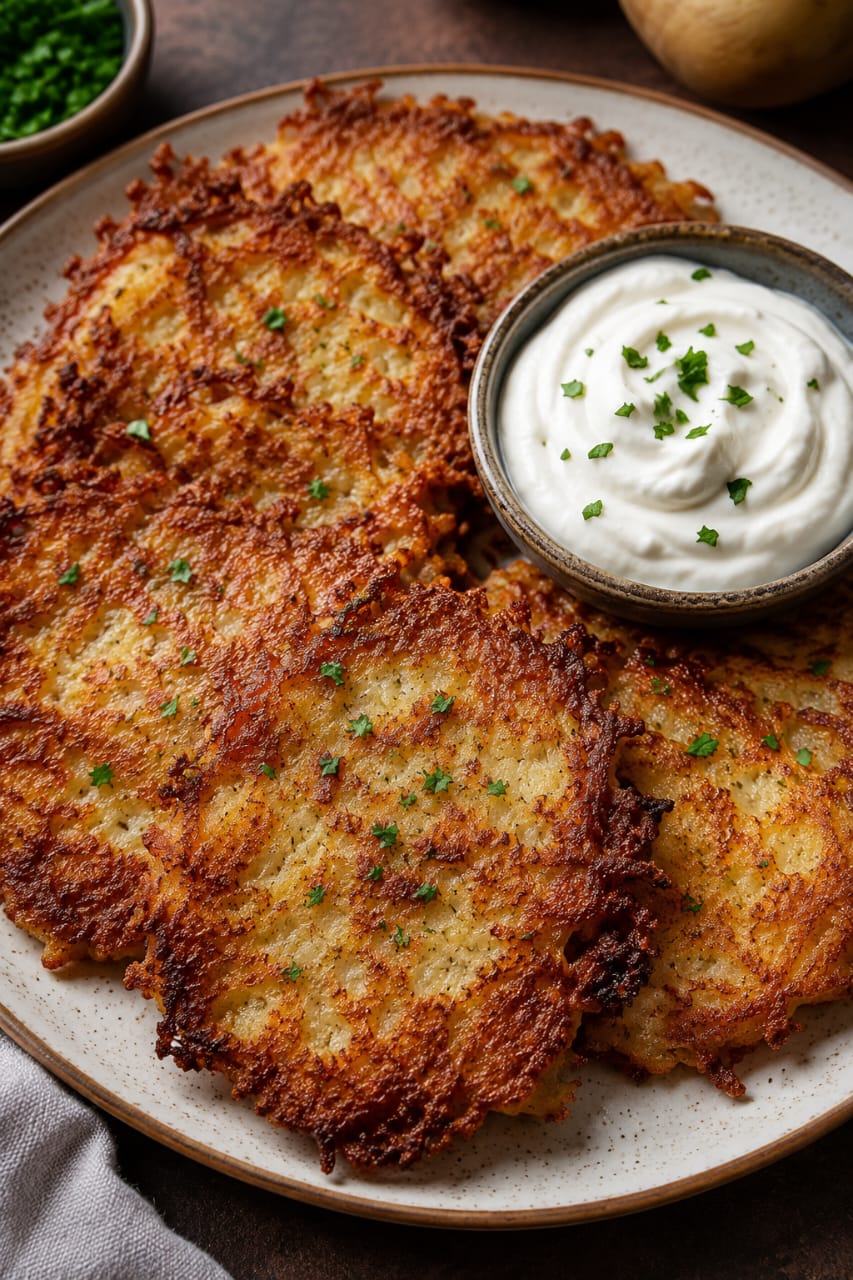
Welcome back to another wonderfully satisfying recipe that is about to transport your kitchen straight to the heart of Europe with one of the most beloved and timeless comfort food classics in German cuisine. If you have never made German Potato Pancakes before, you are in for a genuinely exciting discovery, and if you already know and love them, then you already know exactly why they deserve a permanent spot in your regular cooking rotation. They are crispy, golden, deeply savory, and the kind of food that makes everyone at the table stop what they are doing the moment they smell them cooking in the pan.
| Detail | Info |
|---|---|
| Recipe Name | German Potato Pancakes |
| Meal Type | Breakfast / Brunch / Side Dish / Snack |
| Prep Time | 20 minutes |
| Cook Time | 25 minutes |
| Total Time | 45 minutes |
| Servings | 4 servings (about 8 pancakes) |
| Difficulty | Easy |
| Calories per serving | ~280 kcal |
| Protein | 6g |
| Carbohydrates | 34g |
| Fat | 14g |
| Fiber | 3g |
| Sodium | 380mg |
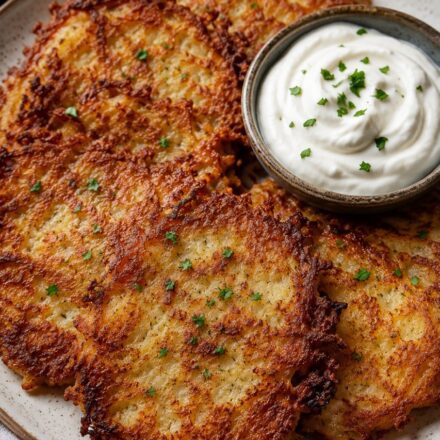
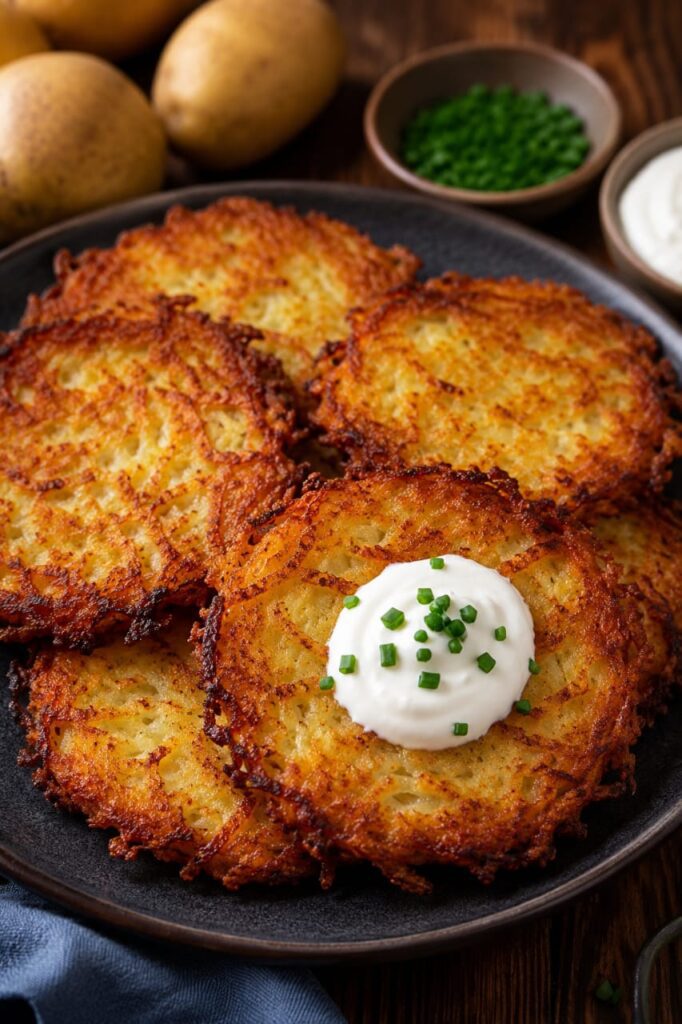
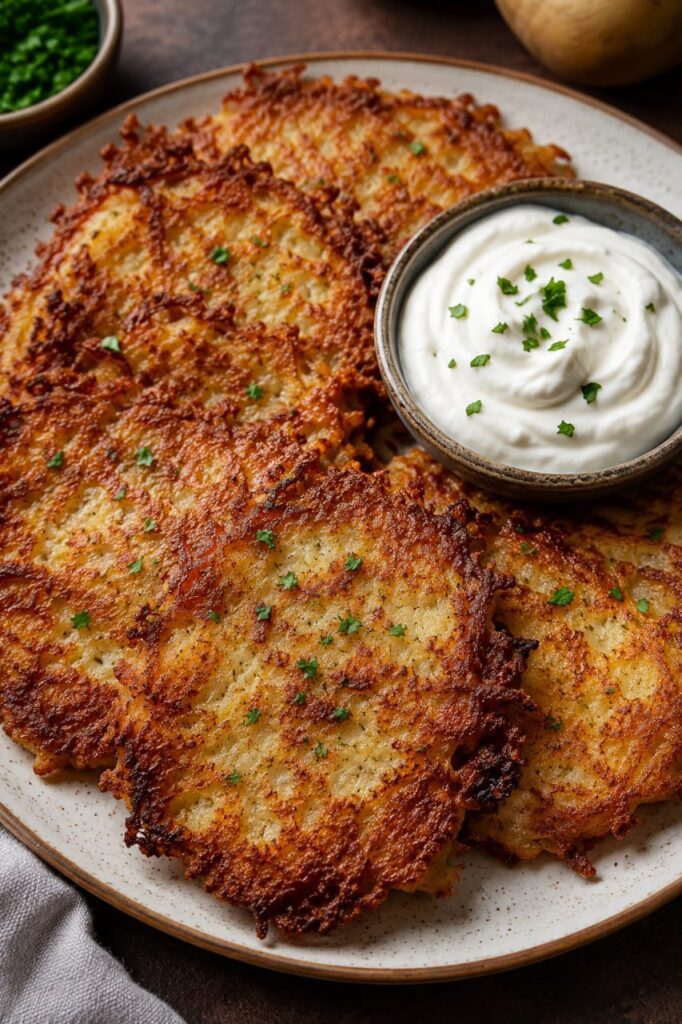
German Potato Pancakes, known in Germany as Kartoffelpuffer or Reibekuchen depending on which region you are in, are thin, crispy pan-fried pancakes made from freshly grated raw potatoes mixed with onion, egg, and a small amount of flour to bind everything together.
They are fried in oil until shatteringly crispy on the outside and tender in the middle, and they are traditionally served with sour cream and applesauce on the side, two accompaniments that sound simple but work together with the savory potato pancake in a way that is genuinely one of the great flavor combinations in all of comfort food.
Who Is This Recipe For?
This recipe is for anyone who loves crispy, golden, potato-based comfort food and wants to experience one of Germany’s most beloved traditional dishes made authentically at home. It is perfect for weekend breakfasts and brunches when you want something more substantial and exciting than toast, for families who need a satisfying and affordable side dish that everyone at the table will love without exception, for anyone who wants to explore European home cooking in a way that is completely approachable and requires no special ingredients or equipment, and for potato lovers of every kind who want to experience what freshly grated potatoes cooked in a hot pan can become when handled with the right technique and care.
Equipment You Will Need
- A large cast iron skillet or heavy-bottomed non-stick pan
- A box grater or food processor with a grating attachment
- A clean kitchen towel or several layers of paper towels for squeezing
- A large mixing bowl
- A spatula for flipping
- Measuring cups and spoons
- A sharp knife and cutting board
- A plate lined with paper towels for draining
Ingredients
For the Potato Pancakes:
- 2 pounds russet potatoes, peeled (about 4 medium potatoes)
- 1 small yellow onion, peeled
- 2 large eggs
- 3 tablespoons all-purpose flour
- 1 teaspoon salt
- ½ teaspoon black pepper
- ¼ teaspoon garlic powder (optional but adds wonderful depth)
- ¼ teaspoon ground nutmeg (traditional and highly recommended)
- Vegetable oil or clarified butter for frying
For Serving:
- Sour cream
- Applesauce (unsweetened or lightly sweetened)
- Fresh chives, finely chopped
- A pinch of flaky sea salt for finishing
How to Make German Potato Pancakes
Step 1: Grate the Potatoes and Onion
Peel your potatoes and grate them using the coarse side of your box grater. Grate your onion on the same side directly into the same bowl as the potatoes. Grating the onion along with the potatoes serves two purposes. It distributes onion flavor evenly throughout every pancake and the onion juice mixes with the potato starch in a way that helps the pancakes bind together more cohesively during frying.
Work quickly after grating the potatoes because raw grated potatoes begin oxidizing and turning an unappetizing pinkish grey color within just a few minutes of being exposed to air. This color change is purely cosmetic and does not affect the flavor, but it is worth moving through the squeezing step quickly to keep your batter looking as pale and fresh as possible.
Step 2: Squeeze Out the Moisture
This step is the single most important thing you will do in this entire recipe and it is the step that separates truly crispy German potato pancakes from flat, soggy, disappointing ones. Transfer your grated potato and onion mixture into a clean kitchen towel. Gather the corners of the towel together, hold it over the sink, and twist and squeeze firmly and repeatedly until you have extracted as much liquid as possible from the mixture. The amount of liquid that comes out will genuinely surprise you. Properly squeezed potatoes should feel relatively dry and slightly sticky with starch when you open the towel.
If you want to go one step further for maximum crispiness, place the squeezed potato mixture in a fresh dry towel and squeeze once more. The drier your potato mixture, the crispier your pancakes will be. This is not a step you can rush or skip. Excess moisture in the batter steams the pancakes from the inside rather than allowing them to fry and crisp up properly in the pan.
Step 3: Mix the Batter
Transfer your well-squeezed potato and onion mixture to a large mixing bowl. Add your eggs, flour, salt, black pepper, garlic powder, and ground nutmeg. Mix everything together thoroughly with your hands or a fork until the eggs and flour are fully incorporated and every shred of potato is coated in the binding mixture. The batter will be loose and shredded rather than smooth like a regular pancake batter and that is exactly correct. You are not making a smooth poured batter here. You are making a loose mixture of seasoned, bound potato shreds that will hold together in the hot pan as they fry.
Taste a tiny amount of the raw batter and adjust the salt and pepper if needed. The batter should be well seasoned because the starchiness of the potatoes absorbs a significant amount of seasoning during cooking and under-seasoned pancakes will taste flat and bland even when perfectly crispy.
Step 4: Fry the Pancakes
Heat your cast iron skillet or heavy-bottomed pan over medium-high heat. Add enough vegetable oil or clarified butter to generously cover the bottom of the pan, about 3 to 4 tablespoons. Let the oil heat until it is shimmering and a small shred of potato dropped into it sizzles immediately and actively. The oil needs to be properly hot before the first pancake goes in because cold oil leads to greasy, pale, unappealing pancakes.
Scoop about a quarter cup of the potato mixture and place it into the hot oil. Use the back of your spatula to press it down firmly into a thin, flat round about 4 to 5 inches in diameter. Thinner pancakes crisp up more thoroughly and cook more evenly than thick ones. Cook 3 to 4 pancakes at a time depending on the size of your pan. Do not overcrowd the pan because too many pancakes at once drops the oil temperature significantly and results in steaming rather than frying.
Let the pancakes cook completely undisturbed for 3 to 4 minutes on the first side. Do not touch them, do not press them, and do not peek underneath them until the minimum time has passed. The pancake is ready to flip when the edges look set and golden and the underside is a deep, even golden brown. Use your spatula to flip each pancake carefully and cook for another 3 to 4 minutes on the second side until equally golden and crispy.
Remove the finished pancakes from the pan and place them on your paper towel-lined plate to drain briefly. Add a small pinch of flaky sea salt to each one immediately while they are still hot. Repeat with the remaining batter, adding more oil to the pan as needed between batches.
Step 5: Keep Warm and Serve
If you are making a large batch and want all the pancakes to be hot and ready at the same time, place the finished ones in a single layer on a baking sheet in an oven set to 200°F to keep them warm and crispy while you fry the remaining batches. Do not stack them on top of each other because stacking traps steam between the pancakes and makes them soft and soggy.
Serve the finished pancakes immediately with generous dollops of cold sour cream and applesauce on the side. The combination of the hot, crispy, savory potato pancake with the cool, tangy sour cream and the sweet, slightly tart applesauce alongside it is one of those perfect flavor combinations that makes complete sense the first time you taste it and keeps you coming back for more every time after.
Cook Tips for the Best German Potato Pancakes
✔ Squeeze the potatoes as thoroughly as you possibly can. More moisture removal means crispier pancakes. This is the rule that makes the biggest difference between a great German potato pancake and a mediocre one. Squeeze until your arms are tired and then squeeze once more.
✔ Use russet potatoes rather than waxy potato varieties. Russet potatoes are high in starch and low in moisture which makes them the ideal choice for crispy fried potato pancakes. Waxy potatoes like red potatoes or Yukon Gold retain more moisture even after squeezing and produce a softer, less crispy result.
✔ Keep the oil hot throughout the entire frying process. Add more oil between batches as needed and always let it heat back up fully before adding the next batch of pancakes. Frying in oil that is not hot enough is the fastest route to greasy, pale, sad pancakes.
✔ Press the pancakes thin in the pan. A thinner pancake means more surface area in contact with the hot oil which means more crispiness across the entire pancake rather than just the edges. Use your spatula to press each pancake down firmly immediately after placing it in the oil.
✔ The ground nutmeg is a traditional and essential seasoning in authentic German Kartoffelpuffer. It is subtle and you will not be able to identify it as nutmeg in the finished pancake but it adds a warmth and depth of flavor that is immediately noticeable by its absence. Do not skip it.
Storage Tips
German Potato Pancakes are absolutely at their best eaten hot and fresh directly from the pan when they are at peak crispiness. However, leftovers can be stored in an airtight container in the refrigerator for up to 3 days. To reheat them and bring back as much of the original crispiness as possible, place them in a single layer on a baking sheet and bake at 400°F for 8 to 10 minutes, flipping halfway through. An air fryer at 375°F for 4 to 5 minutes also works very well for reheating. Avoid the microwave completely because it makes the pancakes soft and completely limp.
You can also freeze cooked potato pancakes. Let them cool completely, then place them in a single layer on a baking sheet and freeze until solid before transferring to a freezer bag. They keep in the freezer for up to 2 months. Reheat directly from frozen in the oven at 400°F for 12 to 15 minutes until hot and crispy again.
Frequently Asked Questions
What is the difference between German Potato Pancakes and American hash browns? Both use grated raw potatoes as their base ingredient but the key differences are in the binding and the shape. German Potato Pancakes use egg and flour as binders to hold individual round pancakes together, they are seasoned with onion, nutmeg, salt, and pepper, and they are formed into distinct round patties. American hash browns are typically unseasoned beyond salt and pepper, use no binders, and are often formed into a single large patty or cooked loosely as scattered individual shreds rather than formed pancakes. The flavor and eating experience are noticeably different with German Potato Pancakes being more cohesive, more deeply seasoned, and more structured.
Can I make these ahead of time for a party or gathering? Yes and it works very well. Fry all the pancakes in advance, let them cool completely, and store them in a single layer on baking sheets covered with foil. When you are ready to serve, reheat them all at once in the oven at 400°F for about 10 minutes until hot and crispy again. This method lets you cook in advance without sacrificing too much crispiness and allows you to be present with your guests rather than stuck at the stove frying pancakes to order.
Can I make these gluten free? Yes easily. Replace the all-purpose flour with an equal amount of potato starch or cornstarch, both of which are naturally gluten free and work just as effectively as a binder in this recipe. Potato starch is particularly fitting since you are already working with potatoes and it adds an extra layer of crispiness to the finished pancake that is genuinely excellent.
Why do my potato pancakes fall apart in the pan? Falling apart during frying is almost always caused by one of three things. Too much moisture was left in the grated potato mixture preventing the binders from working properly, not enough egg or flour was added to create sufficient binding, or the pancakes were flipped before the first side had time to set and firm up properly. Make sure you squeeze the potatoes very thoroughly, use the full amounts of egg and flour listed in the recipe, and wait a full 3 to 4 minutes before attempting to flip.
What other toppings work well with German Potato Pancakes beyond sour cream and applesauce? The classic sour cream and applesauce combination is traditional and genuinely hard to improve on but there are many other wonderful topping options. Smoked salmon with a dollop of crème fraîche and fresh dill is an elegant and sophisticated option. Crispy bacon bits with chives and sour cream is deeply satisfying and crowd-pleasing. A fried egg placed on top turns the pancakes into a complete breakfast meal. Crumbled feta cheese with fresh herbs and a drizzle of honey is a wonderful sweet and savory combination that works surprisingly well.
Final Thoughts
German Potato Pancakes are one of those beautiful examples of traditional European home cooking that proves the most satisfying food is often the simplest food made with great care and the right technique. There is nothing complicated about grated potatoes, an egg, a little flour, and a hot pan of oil, but when you put those elements together with proper moisture removal, the right seasoning, and enough patience to let the crust form properly, what comes out is something genuinely extraordinary.
The crunch of a properly fried Kartoffelpuffer, that deep golden crust giving way to a tender, savory potato interior, dipped into cool sour cream or paired with a spoonful of sweet applesauce, is one of the simple pleasures of eating that transcends culture and cuisine and speaks directly to something universal in all of us that just loves good, honest, unpretentious food made with love.
Make them this weekend, serve them hot straight from the pan, and enjoy every single crispy, golden, perfectly seasoned bite. Once you master these, they are going to become one of your most requested and most beloved recipes for a very long time to come.