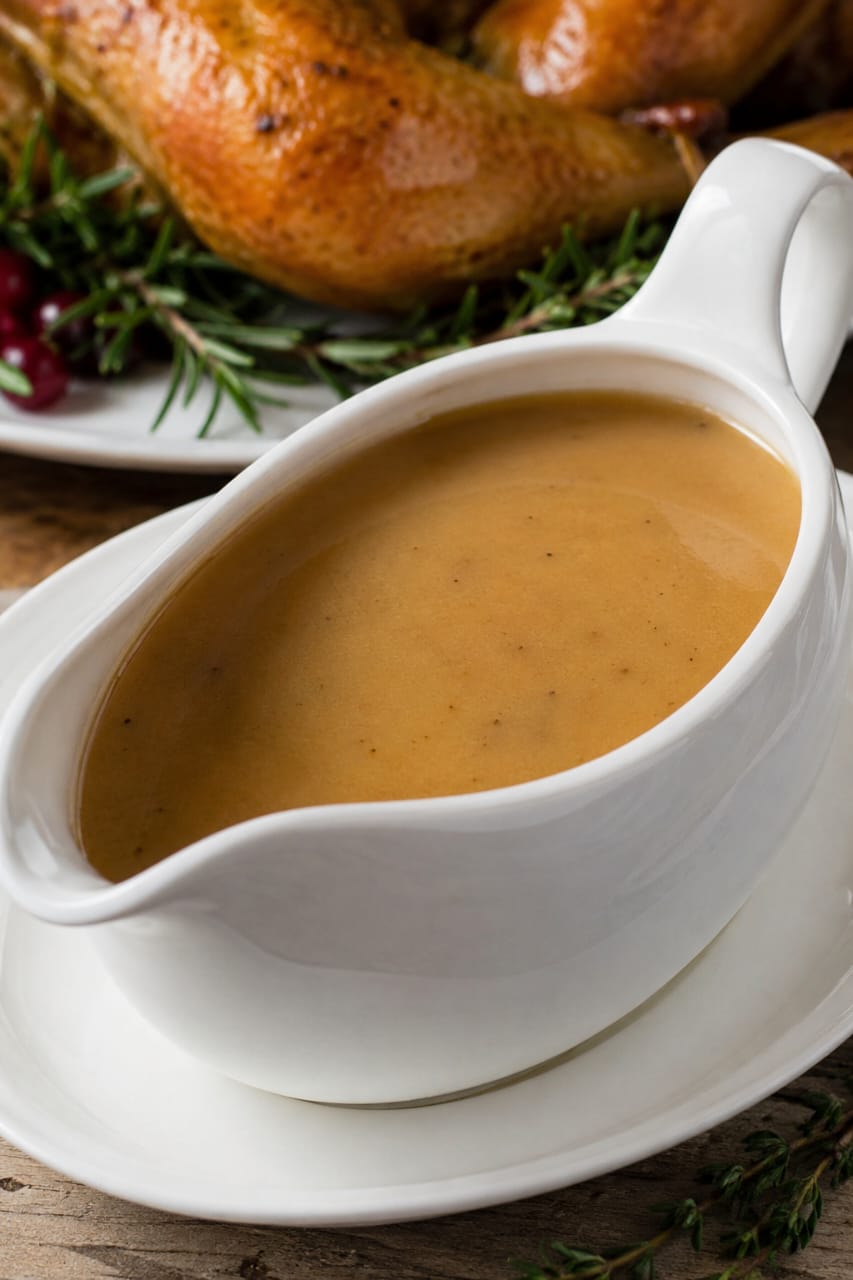
Welcome back to another recipe that is going to take your holiday table to an entirely new level! If you have ever sat down to a Thanksgiving or Christmas dinner and felt like something was missing — like the turkey was good but not quite as complete as it could be — the answer is almost always the gravy. A truly great homemade turkey gravy made from real turkey drippings is one of the most deeply satisfying sauces you will ever make, and once you taste what a properly made one is like, going back to the packet version simply becomes impossible.
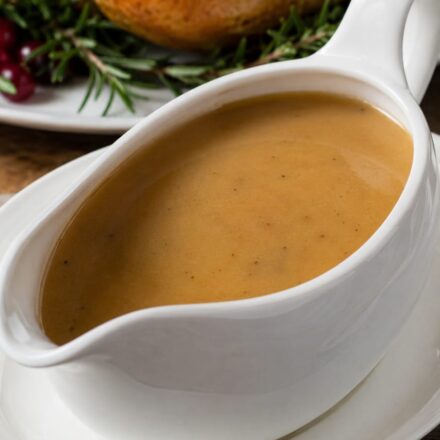
This is the gravy that makes everything on the plate better. It brings the turkey to life, turns mashed potatoes into something extraordinary, makes stuffing taste richer and more complete, and gives your dinner rolls a purpose beyond just being bread. It is glossy, deeply savory, beautifully smooth, and built entirely from the flavor that your turkey has already created for you in the roasting pan. Nothing goes to waste and everything goes into making something spectacular.
Quick Recipe Overview
| Detail | Info |
|---|---|
| Recipe Name | Homemade Turkey Gravy |
| Best For | Thanksgiving, Christmas, holiday dinners, roast turkey meals |
| Prep Time | 5–10 minutes |
| Cook Time | 15–20 minutes |
| Difficulty | Easy to Moderate |
| Servings | 8–10 servings |
| Calories | ~90–110 kcal per serving |
| Protein | ~2–3g |
| Carbohydrates | ~6–8g |
| Fats | ~6–8g |
| Fiber | ~0g |
| Sugar | ~0–1g |
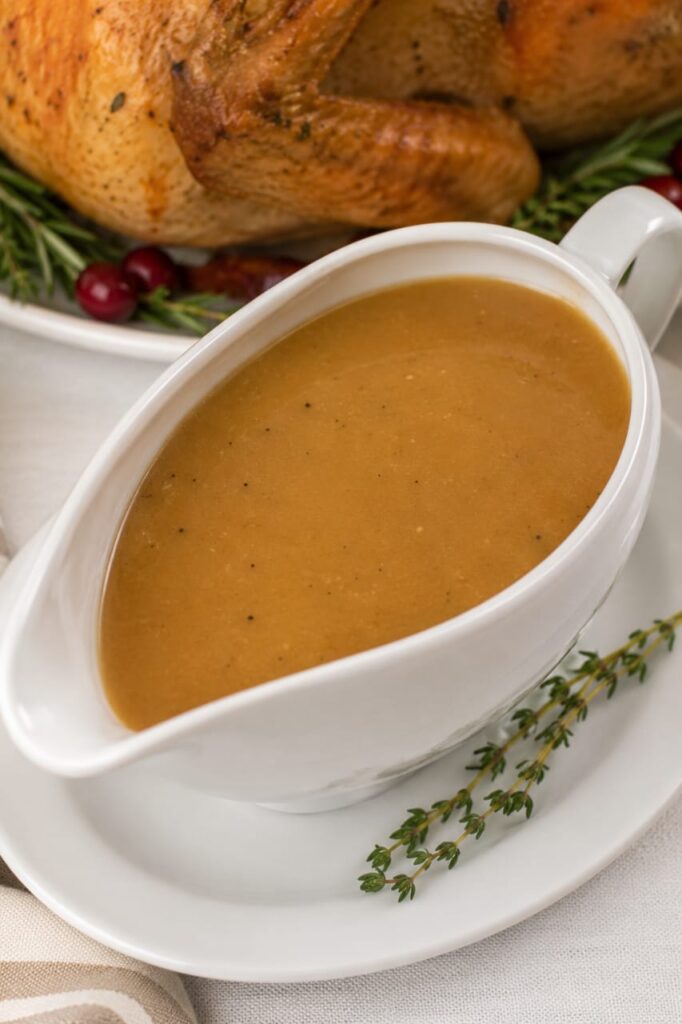
Homemade Turkey Gravy is a smooth, rich pan gravy made from the drippings left behind in the roasting pan after cooking a turkey, thickened with a simple flour roux and enriched with turkey or chicken broth to create a deeply savory, glossy sauce that pairs perfectly with every element of a classic holiday dinner spread.
Who Is This Recipe For?
This recipe is perfect for:
- Holiday cooks who want to make every single component of their Thanksgiving or Christmas dinner completely from scratch and leave nothing to a packet or a can
- Anyone roasting a turkey for the first time who wants a reliable, straightforward gravy recipe that makes sense of those drippings and turns them into something genuinely impressive
- Home cooks who have tried making turkey gravy before and ended up with something lumpy, pale, or flavorless and want a recipe that walks them through every step clearly
- Families who take their holiday food seriously and understand that great gravy is not a side detail — it is one of the most important things on the entire table
- Anyone cooking a big holiday meal who wants a make-ahead option they can prepare before the turkey is even done so they are not scrambling at the last minute
- Beginner cooks who want to understand the fundamental technique behind making a great pan gravy from scratch
Equipment You Will Need
- The roasting pan from your turkey (this is where all the flavor lives)
- A fat separator or a large spoon for skimming fat
- A medium saucepan
- A whisk
- A fine mesh strainer
- Measuring cups and spoons
- A ladle for serving
- A wooden spoon or silicone spatula
Ingredients
Core Ingredients:
- Turkey drippings from the roasting pan (approximately ¼ cup of fat and 1 to 1½ cups of pan juices)
- 4 tablespoons all-purpose flour
- 3 cups turkey broth or low sodium chicken broth
- Salt and black pepper to taste
For Deeper Flavor:
- 1 tablespoon unsalted butter (adds richness and helps the roux develop)
- 1 small shallot, very finely minced
- 2 cloves garlic, minced
- 1 teaspoon fresh thyme leaves or ½ teaspoon dried thyme
- 1 teaspoon Worcestershire sauce
- ½ teaspoon soy sauce (adds color and umami depth without making it taste like soy sauce)
- Salt and black pepper to taste
For a Make-Ahead Gravy Base (If Not Using Drippings Yet):
- 4 tablespoons unsalted butter
- 4 tablespoons all-purpose flour
- 3 cups turkey or chicken broth
- Turkey neck and giblets simmered in water for 1 hour to create a rich homemade turkey stock
How to Make Homemade Turkey Gravy
Step 1: Collect and Separate the Drippings
Once your turkey is out of the roasting pan and resting, carefully pour all the liquid and drippings from the roasting pan into a fat separator or a large heatproof measuring cup. Let it sit for about 5 minutes. The fat will naturally rise to the top and the deeply flavorful dark pan juices will settle at the bottom. You want to keep both but use them separately. Skim or pour off the fat into a separate bowl — you need about 4 tablespoons of this turkey fat for your roux. The dark, savory juices underneath are liquid gold and go straight into your gravy. Do not throw them away under any circumstances.
Step 2: Deglaze the Roasting Pan
Place the roasting pan directly on your stovetop over medium heat. Pour about ½ cup of the turkey or chicken broth into the hot pan and use your whisk or wooden spoon to scrape up every single browned bit stuck to the bottom and sides of the pan. These caramelized bits are called fond and they are the most concentrated source of turkey flavor in your entire kitchen right now. Scrape thoroughly until the bottom of the pan is completely clean and all those bits have dissolved into the broth. Pour this deglazing liquid into your measuring cup with the rest of the reserved pan juices.
Step 3: Build the Roux
In your medium saucepan, heat the reserved turkey fat over medium heat. If you do not have enough turkey fat from the drippings to make 4 tablespoons, make up the difference with unsalted butter. Once the fat is hot, add the finely minced shallot if using and cook for about 1 minute until softened. Add the minced garlic and stir for 30 seconds until fragrant. Now add all the flour at once and whisk it into the fat immediately and vigorously. Cook the roux while stirring constantly for about 2 to 3 minutes. You are looking for it to turn a light golden color and smell slightly toasty and nutty. This cooking time removes the raw flour taste and starts building the flavor foundation for your gravy.
Step 4: Add the Liquid Gradually
Begin adding your liquid slowly — start with the reserved pan juices and deglazing liquid first, pouring them in about ¼ cup at a time and whisking constantly after each addition. The mixture will be very thick at first and then gradually loosen as you add more liquid. Once all the pan juices are incorporated, begin adding the turkey or chicken broth in the same slow, gradual way, whisking well between each addition. Adding liquid slowly and whisking throughout is the entire secret to a smooth, lump-free gravy. Add the thyme, Worcestershire sauce, and soy sauce and stir everything together.
Step 5: Simmer and Thicken
Once all the liquid is incorporated and the gravy is smooth, increase the heat slightly to bring it to a gentle simmer. Reduce the heat to medium-low and let it cook for about 8 to 10 minutes, stirring frequently, until the gravy has thickened to a glossy, smooth, pourable consistency that coats the back of a spoon beautifully. If it thickens faster than you want, add a splash more broth and whisk it in. If after 10 minutes it is still thinner than you would like, keep simmering for a few more minutes — it will continue to thicken as it cooks.
Step 6: Strain, Season, and Serve
Pour the finished gravy through a fine mesh strainer into a clean saucepan. This removes the shallot, garlic, thyme pieces, and any tiny lumps and gives you an ultra-smooth, silky, restaurant-quality result. Taste the strained gravy and season carefully with salt and black pepper. Remember that the drippings and broth already contain sodium so add salt gradually and taste after every small addition. Serve hot in a gravy boat or pour it directly over turkey, mashed potatoes, stuffing, or anything else on the plate that deserves it — which is honestly everything.
What to Serve Homemade Turkey Gravy With
- Roast turkey — the most natural pairing in the world and the one this gravy was quite literally made for
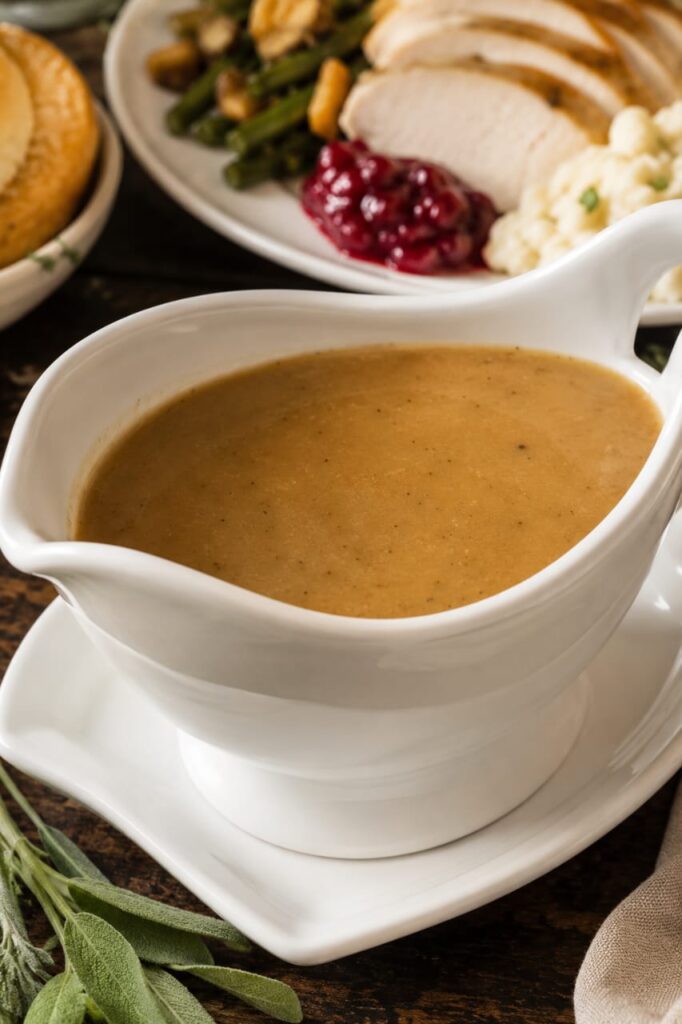
- Creamy mashed potatoes — the combination of silky mashed potatoes and rich turkey gravy poured generously over the top is one of the most comforting things you can eat at any holiday table
- Stuffing or dressing — a ladle of this gravy over a scoop of stuffing adds moisture and richness that takes it to a completely different level
- Dinner rolls or biscuits — split open and served with a spoonful of hot gravy poured inside or over the top
- Roasted vegetables — carrots, parsnips, or green beans with this gravy drizzled over them are transformed into something far more special
- Turkey sandwiches the next day — leftover turkey slices on bread with this gravy spooned over the top is one of the best things about the day after Thanksgiving
Cook Tips to Get It Right Every Time
1. Never throw away the drippings. The liquid left in the roasting pan after cooking a turkey is the single most flavorful ingredient you have access to while making this gravy. It carries hours of roasting flavor, turkey juices, caramelized vegetables if you roasted aromatics under the bird, and seasoning from whatever you used on the turkey. Every drop should go into the gravy.
2. Deglaze the roasting pan thoroughly. The browned bits stuck to the bottom of the roasting pan are concentrated turkey flavor. Scraping them up with broth over heat and dissolving them into the liquid is one of the most important steps in building great gravy. Do not skip this step and do not rush it — scrape until the pan is completely clean.
3. Cook the roux until it smells nutty and toasty. A roux that is not cooked long enough will give your gravy a raw, pasty flour taste that no amount of seasoning can fully mask. Give it the full 2 to 3 minutes of cooking while stirring constantly and you will have a clean, rich base that tastes of nothing but good roasted flavor.
4. Always add liquid slowly and whisk constantly. This single technique is what separates smooth gravy from lumpy gravy. There is no other secret. Pour slowly, whisk constantly, and add the next addition only after the previous one is fully incorporated.
5. Strain the gravy before serving. Even if your gravy looks perfectly smooth in the pan, passing it through a fine mesh strainer gives it a silkiness and clarity that elevates it from home cooking to something that looks and tastes genuinely impressive. It takes 30 seconds and makes a visible difference.
6. Season at the very end. Turkey drippings and broth both contain significant amounts of sodium. The gravy concentrates as it simmers which intensifies the saltiness further. Always taste and season only after the gravy has finished simmering and been strained. Salt added too early can result in gravy that is over-salted by the time it is done.
Storage Tips
- Refrigerator: Store leftover gravy in an airtight container in the fridge for up to 4 days. It will thicken considerably when cold which is completely normal.
- Reheating: Reheat in a small saucepan over medium-low heat, whisking in a splash of turkey or chicken broth or water to loosen it back to the right consistency. Stir frequently as it heats to keep it smooth.
- Freezer: Turkey gravy freezes beautifully for up to 3 months in a freezer-safe container. Leave a little room at the top for expansion. Thaw overnight in the refrigerator and reheat gently on the stovetop with a splash of broth, whisking until smooth and hot throughout.
- Make-ahead tip: You can make a complete gravy base up to 2 days before your holiday dinner using turkey or chicken broth and butter in place of the drippings. Store it in the fridge and when the turkey is done, stir the real drippings and deglazing liquid directly into the reheated base for an incredibly rich finished gravy that tastes completely homemade and deeply flavored.
Frequently Asked Questions
1. What if I do not have enough drippings from the turkey? This happens sometimes especially with smaller birds or turkeys that were brined and did not release as much liquid. Make up the difference with unsalted butter to reach the 4 tablespoons of fat needed for the roux, and add extra turkey or chicken broth to compensate for any shortfall in pan juices. You can also simmer the turkey neck and giblets in water with a few aromatics for an hour before the turkey is done to create a simple homemade turkey stock that adds tremendous depth to the finished gravy.
2. My gravy turned out lumpy. How do I fix it? Pour it through a fine mesh strainer set over a clean saucepan and press the gravy through with the back of a spoon. This removes lumps immediately and gives you a smooth result. If the lumps are very large, blend the gravy briefly with an immersion blender before straining. Going forward, the solution is always to add liquid more slowly and whisk more constantly from the very first addition.
3. Can I make turkey gravy without any drippings at all? Yes. Use 4 tablespoons of unsalted butter in place of the turkey fat and 3 cups of a good quality turkey or chicken broth in place of all the pan liquid. To deepen the flavor, add an extra teaspoon of Worcestershire sauce, a small splash of soy sauce, and ½ teaspoon of onion powder. The gravy will be slightly less complex than dripping-based gravy but still very flavorful and completely satisfying.
4. How do I fix gravy that is too salty? Add more unsalted broth or water gradually and let the gravy simmer for a few more minutes to reduce and thicken again. A small peeled potato simmered in the gravy for 10 minutes can also help absorb excess salt — remove it before serving. Going forward, always use low-sodium broth and season only at the very end after the gravy has finished cooking and reduced.
5. Can I make this gravy gluten free? Yes. Replace the all-purpose flour with a gluten free all-purpose flour blend using the same quantity, or use cornstarch as the thickener instead. For cornstarch, use 2 tablespoons mixed with 3 tablespoons of cold water to make a slurry and whisk it into the simmering broth and drippings rather than making a roux. The finished gravy will be slightly more translucent and glossy than a flour-based version but equally delicious and perfectly smooth.
Final Thoughts
Homemade Turkey Gravy is one of those recipes that rewards the small amount of effort it takes with a result that is completely out of proportion to how simple it is to make. When you take those drippings that are already sitting in your roasting pan, build them into a proper roux, add good broth, and let everything simmer together into a glossy, deeply savory sauce, you are creating something that ties every element of your holiday dinner together into a cohesive, memorable meal.
The difference between a holiday dinner with homemade turkey gravy and one without it is enormous. Everything tastes more complete, more intentional, and more satisfying when there is a proper gravy involved. The turkey is juicier, the potatoes are richer, the stuffing is more flavorful, and the whole meal feels like something that was genuinely cared for from start to finish.
Master this recipe and it becomes one of those reliable, repeatable techniques that you bring to every holiday gathering with complete confidence. Make it once and you will never reach for the packet again.