
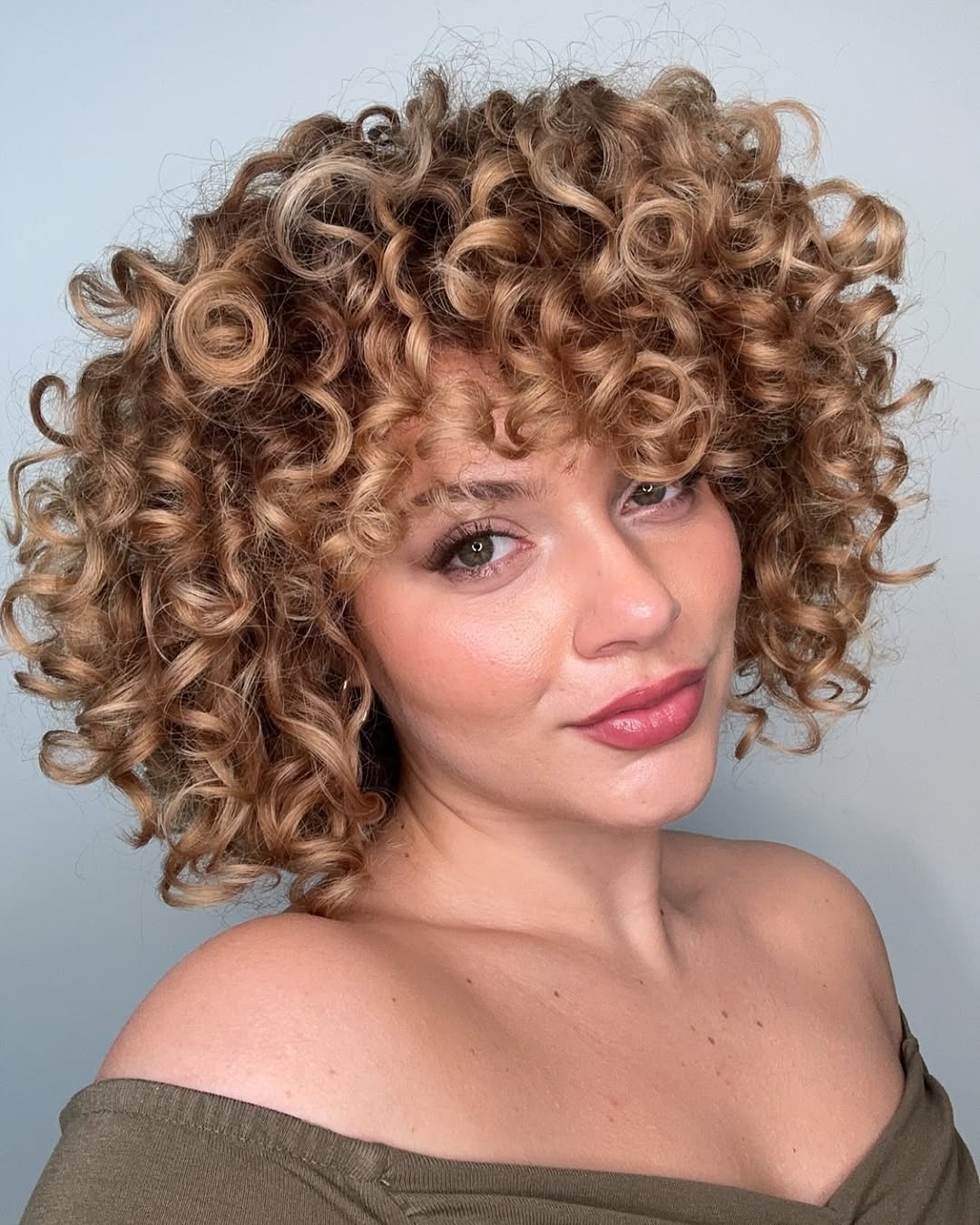
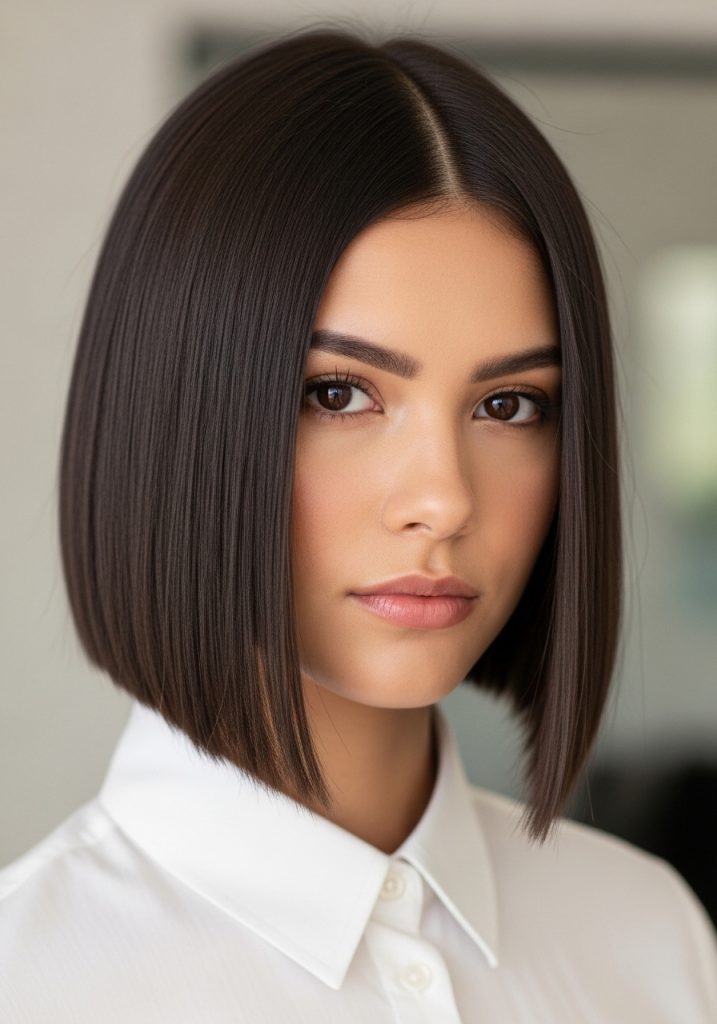
To be honest, fine hair can feel like a bit of a double-edged sword. On one hand, it’s usually soft and dries in a flash, but on the other? It often lacks that “oomph” we all crave, falling flat before the morning coffee has even kicked in. We’ve all been there, standing in front of the mirror, trying to coax some life into strands that seem determined to hug the scalp. It’s frustrating, isn’t it?
Actually, the secret to loving your fine hair doesn’t lie in a dozen styling products or an hour-long blowout routine. It’s all about the foundation—the haircut itself. When you choose a style that works with your hair’s natural tendencies rather than against them, the whole game changes. You stop fighting for volume and start enjoying a look that essentially styles itself.
The thing is, “low maintenance” doesn’t have to mean “no style.” We’re looking for those “wash-and-go” silhouettes that grow out gracefully and don’t require a professional touch every three weeks. From textured bobs to strategic layers that create the illusion of density, there’s a world of options out there that can make your fine hair look thicker than it actually is. Let’s dive into the best cuts that will save you time and keep you looking effortlessly chic.
Understanding the Fine Hair Struggle
This section explores why fine hair behaves the way it does and how the right cut provides the structural integrity needed to prevent flatness and promote natural, healthy-looking volume.
Fine hair is often misunderstood as simply “thin” hair, but they aren’t always the same thing. You can have a lot of hair (high density) but still have fine strands that lack diameter. This lack of “bulk” in the individual hair shaft is why fine hair tends to be more delicate and prone to looking limp. Actually, the goal of any low-maintenance cut for this hair type is to create a visual “weight” that isn’t naturally there.
- The Density Illusion: Fine hair needs clean lines or specific types of layering to look its best. When hair is cut too thin or “shredded” with a razor, it can end up looking stringy. Instead, we look for cuts that stack the hair or use blunt edges to create a sense of fullness at the perimeter.
- Growth Patterns: Low-maintenance styles are designed to grow out without losing their shape immediately. For fine hair, this means avoiding cuts that require constant “bulking” products to look decent. If a cut looks good air-dried, it’s a winner for your schedule.
- Texture Management: Whether your fine hair is pin-straight or has a slight wave, the right cut will lean into that texture. Actually, adding a bit of movement through soft, internal layers can help the hair “prop” itself up, preventing that dreaded flat-to-the-head look that happens by midday.
- Heat Sensitivity: Because fine hair is more delicate, it’s more susceptible to heat damage. A truly low-maintenance cut reduces your reliance on flat irons and blow dryers. This keeps the hair healthier and shinier over time, which naturally makes it look fuller and more vibrant.
Actionable Advice: The “Upside-Down” Strategy for Instant Life
If you’re looking for a quick way to boost any low-maintenance cut, the way you dry your hair is everything. To be honest, you don’t need a professional round-brush technique to get results. Start by applying a lightweight heat protectant—something like Cloud Nine’s Magical Potion—to damp strands. Then, flip your head completely upside down and blast the roots with a hair dryer until they are about 80% dry. This forces the hair follicles to dry in an upward direction, providing natural lift right at the source.
Once you flip back over, you’ll notice an immediate difference in volume. You can then use a wide-tooth comb or your fingers to smooth the ends. This technique works perfectly for almost all the cuts listed below because it emphasizes the hair’s natural body without flattening it with a heavy brush. Remember, the less you “pull” on fine hair while it’s wet, the more volume you’ll retain. It’s a simple, three-minute habit that makes even the simplest blunt cut look like a salon blowout.
1. Classic Blunt Bob
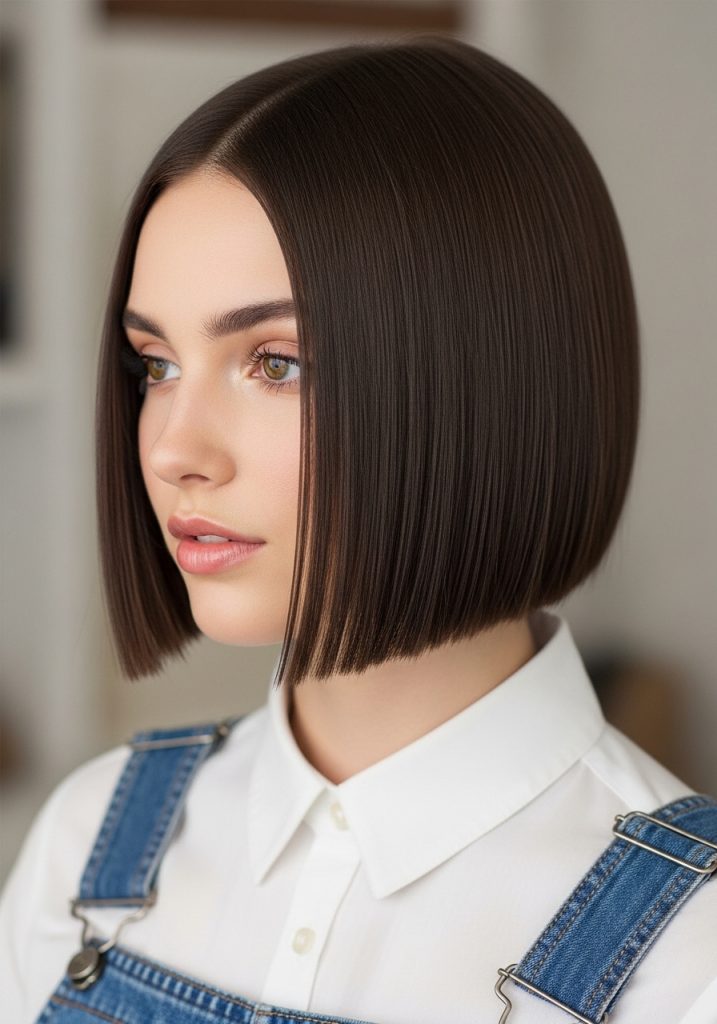
The blunt bob is arguably the holy grail for fine-haired individuals. By cutting the hair to one uniform length—usually right at the chin or slightly below—you create a solid, heavy line at the bottom. This immediately makes the ends look thicker and healthier, as it removes the wispy, see-through quality that fine hair often develops when it gets too long. It’s a look that screams “chic” without requiring a single curling iron.
Actually, the beauty of the blunt bob lies in its simplicity. Because there are no layers to “collapse,” the hair maintains its structure throughout the day. If you have straight hair, this is a true wash-and-go style. You might find it interesting that even a slight breeze can’t mess this up; the hair just falls back into its perfect, crisp line. It’s professional, modern, and incredibly easy to manage on a busy Monday morning.
To keep it low maintenance, ask your stylist to avoid thinning out the ends. You want that weight! If your hair is naturally wavy, the blunt bob takes on a more “French girl” vibe, looking artfully dishevelled. It’s a versatile choice that bridges the gap between edgy and classic perfectly.
2. Textured Pixie Cut
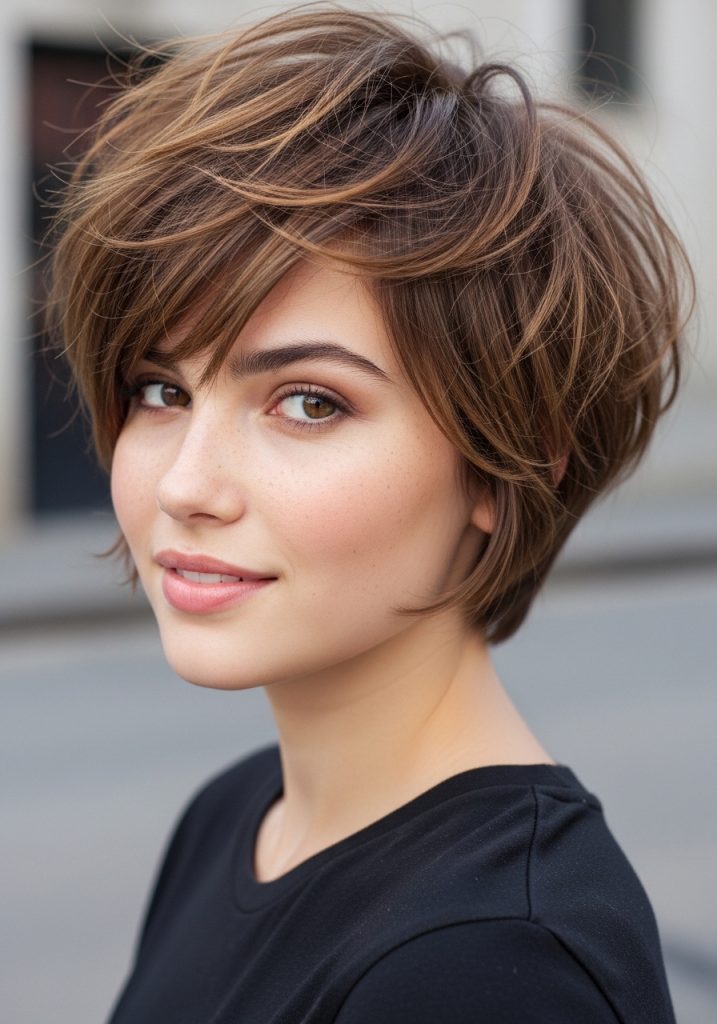
If you’re ready to go short, the textured pixie is a game-changer. Unlike a traditional, flat pixie, the textured version uses short, choppy layers on top to create height and movement. This is perfect for fine hair because it weighs almost nothing, allowing the roots to stand up with just a tiny bit of pomade or styling cream. It’s the ultimate “get up and go” haircut.
The thing is, a pixie cut actually accentuates your bone structure—your cheekbones and jawline will suddenly pop. While it does require more frequent trims to keep the shape (usually every 4-6 weeks), the daily styling time is near zero. You can literally roll out of bed, run a damp hand through your hair with a touch of wax, and look like you spent twenty minutes on your hair.
Actually, many people with fine hair find that a pixie makes their hair feel thicker because the strands aren’t being weighed down by their own length. It’s a liberating feeling! Just remember to keep the sides a bit shorter than the top to maintain that flattering, voluminous silhouette.
3. Octopus Cut
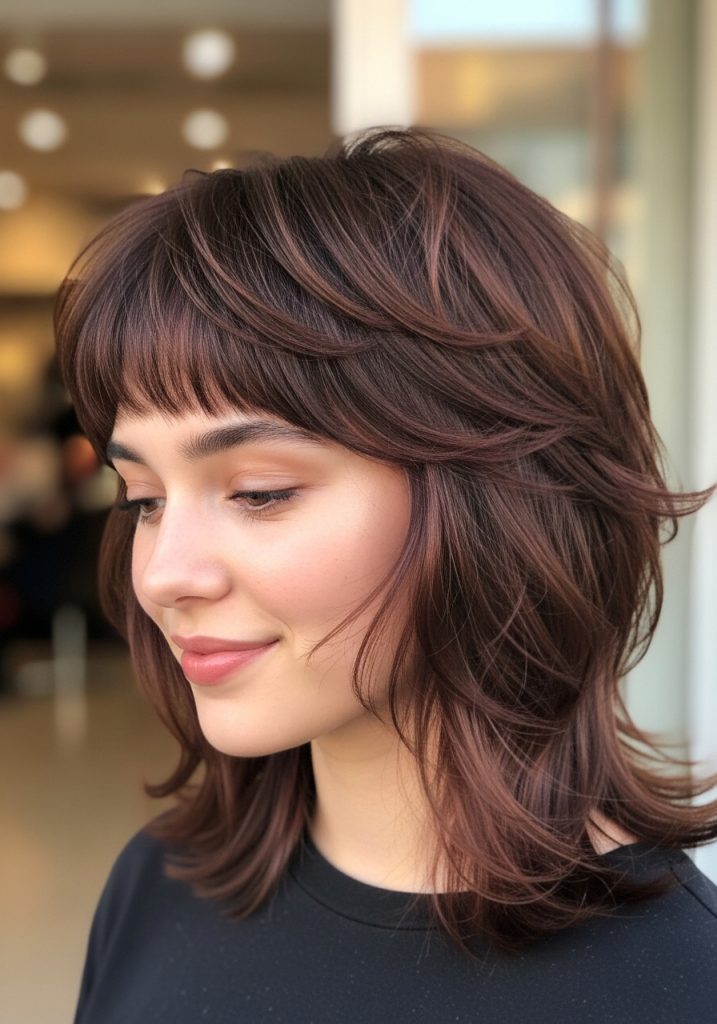
Don’t let the name scare you—the octopus cut is a modern, trendier take on the classic shag. It features short, voluminous layers on the top of the head (the “body” of the octopus) and longer, thinner layers that flow down past the shoulders (the “tentacles”). For fine hair, this is brilliant because it concentrates all the volume where you need it most: at the crown.
The octopus cut is naturally “messy,” which is why it’s so low maintenance. It’s supposed to look a bit lived-in and effortless. You don’t need to worry about every hair being in place. In fact, the more texture you have, the better it looks. It’s a great way to keep some length while avoiding the “flat curtain” effect that often plagues long, fine hair.
Believe it or not, this cut works wonders for those who want to air-dry. The varied lengths of the layers encourage natural waves to form. Use a starchy mousse or a sea salt spray to give the “tentacles” some definition, and you’re good to go. It’s edgy, cool, and surprisingly easy to live with.
4. Inverted Bob
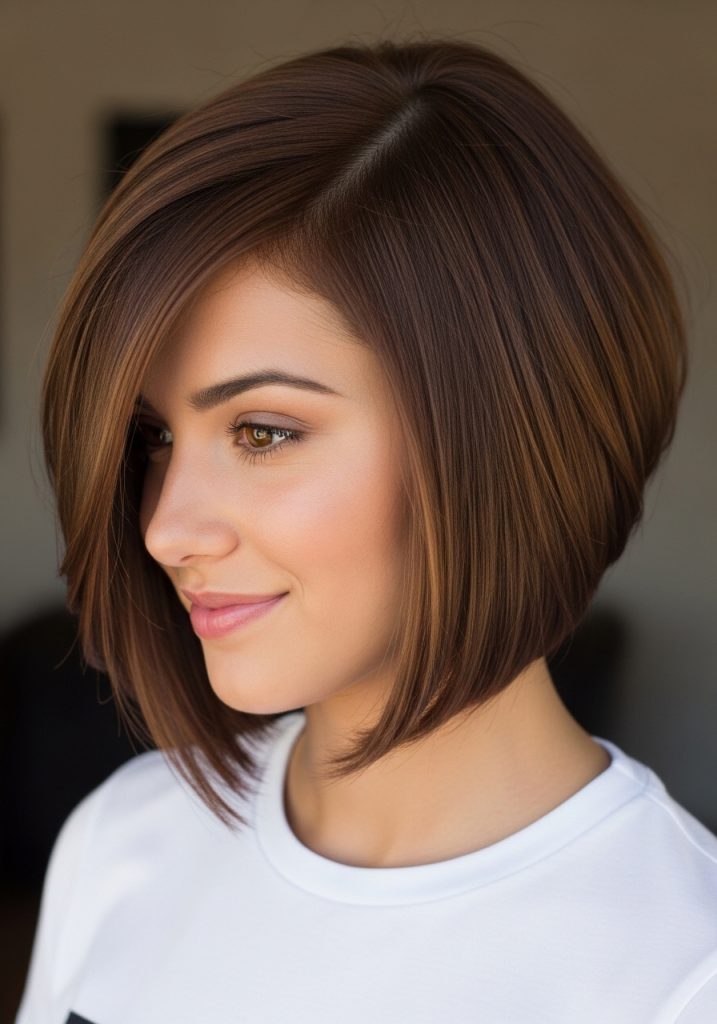
An inverted bob—where the back is shorter than the front—is a structural masterpiece for fine hair. By stacking the hair at the nape of the neck, your stylist creates a built-in “shelf” of volume. This pushes the rest of the hair up and out, giving the illusion of a much thicker mane. It’s a clever bit of hair architecture that does the heavy lifting for you.
The longer pieces in the front frame the face beautifully, which is great if you’re not ready for a super-short look. Because the back is shorter, you don’t have to worry about your hair getting tangled in scarves or coat collars—a common annoyance with longer fine hair. It’s a sleek, polished look that stays looking “done” even if you just brushed it and walked out the door.
To be honest, this is one of the best cuts for someone who wants to look professional but has zero time for styling tools. The angle of the cut provides all the interest you need. Just a quick rough dry, and the hair naturally falls into that sophisticated, graduated shape.
5. Long Lob with Face-Framing Layers
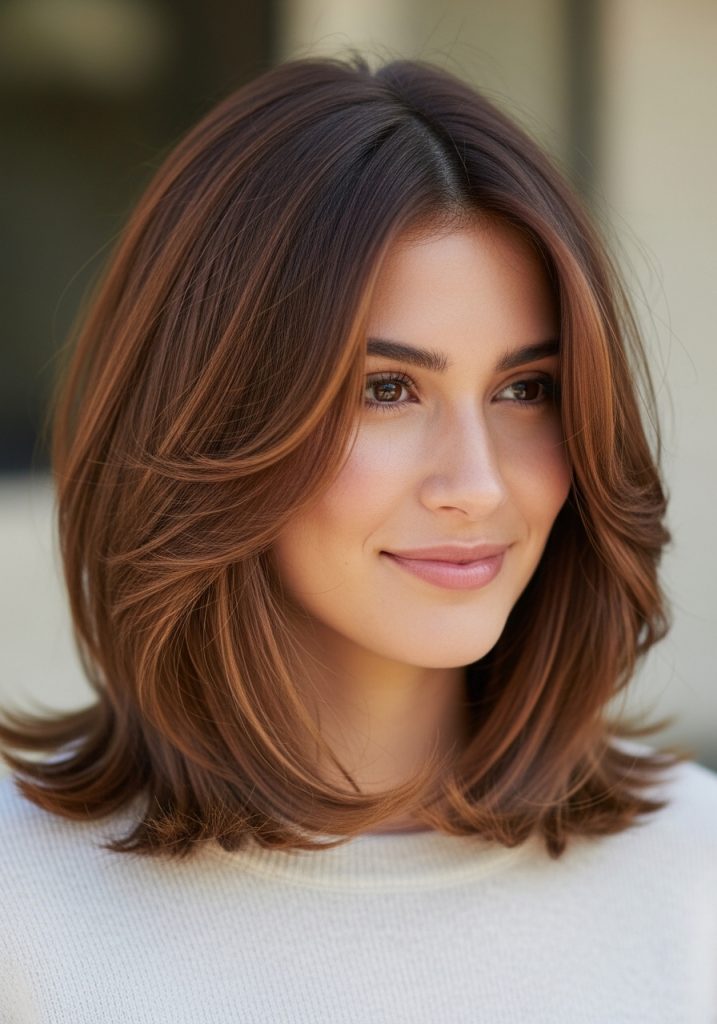
The “Lob” (long bob) is the perfect middle ground. It usually hits right at the collarbone, which is a sweet spot for fine hair. At this length, the hair has enough weight to stay down but isn’t long enough to get stringy. Adding soft, face-framing layers—starting around the chin—adds movement and prevents the hair from looking like a solid block around your face.
This cut is incredibly versatile. You can wear it straight, wavy, or even pull it back into a “puny-tail” (as we fine-haired folks sometimes call them) that still looks intentional. The face-framing layers are the secret sauce here; they break up the line of the hair and draw attention to your eyes and smile.
The best part? It grows out beautifully. Since the base is a lob, you can go months without a trim, and it will just look like a stylish medium-length cut. It’s the definition of low-stress hair. If you find your hair gets flat during the day, just flip your parting to the opposite side for an instant volume boost.
6. Wispy Fringe Pixie
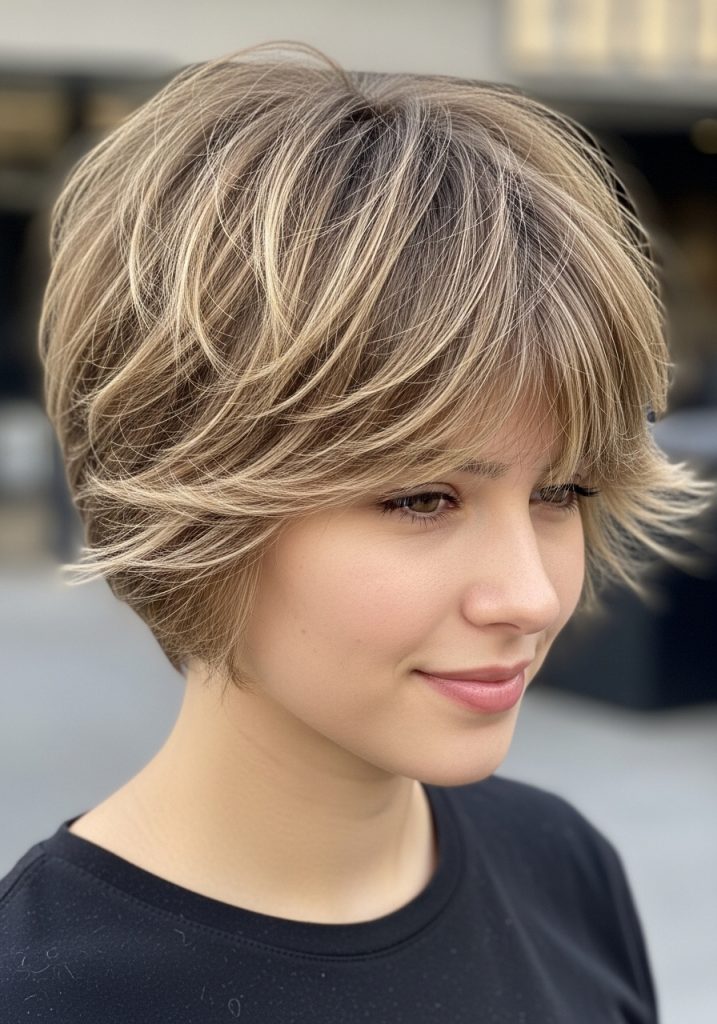
Adding a wispy fringe to a pixie cut is like adding an instant “style” button. For fine hair, a heavy, blunt bang can sometimes take away too much density from the rest of the hair. A wispy fringe, however, uses very little hair but creates a huge visual impact. It softens the face and gives the pixie a more feminine, ethereal vibe.
Styling this is a breeze. The fringe usually just needs a quick pass with a small flat iron or even just a bit of finger-combing while it’s damp. Because the layers are short and light, they don’t flatten out under their own weight. It’s a look that feels very “designer” but requires almost no effort to maintain daily.
Actually, the wispy fringe is great for disguising a high forehead or softening a strong jawline. It’s all about balance. If you’re worried about your hair looking thin, this cut keeps the focus on the texture and the style rather than the individual strands.
7. Shoulder-Length U-Cut
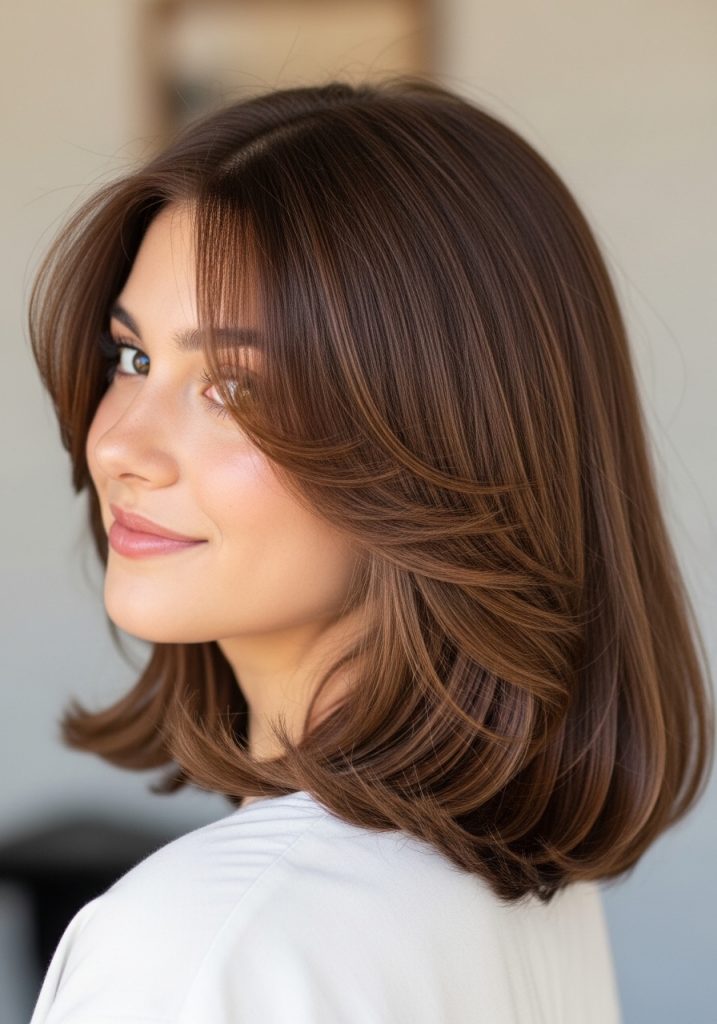
Most fine-haired people are told to keep their hair one length, but the U-cut is a fantastic exception. Instead of a straight-across blunt cut, the hair is trimmed into a gentle “U” shape at the back. This means the sides are slightly shorter than the middle. This subtle shaping prevents the hair from looking “heavy” and stagnant.
The U-cut encourages the hair to flow forward over the shoulders, which makes it look more voluminous from the front. It’s a very natural, “undone” look that works perfectly with air-drying. If you have a bit of natural wave, the U-shape will help those waves bounce rather than being pulled straight by a heavy, blunt edge.
To be honest, this is the ultimate “I don’t want to cut my hair” haircut. It keeps the length you love but adds just enough shape to stop it from looking limp. It’s easy, classic, and requires very little maintenance—just a trim every few months to keep the “U” shape crisp.
8. Shaggy Bob with Curtain Bangs
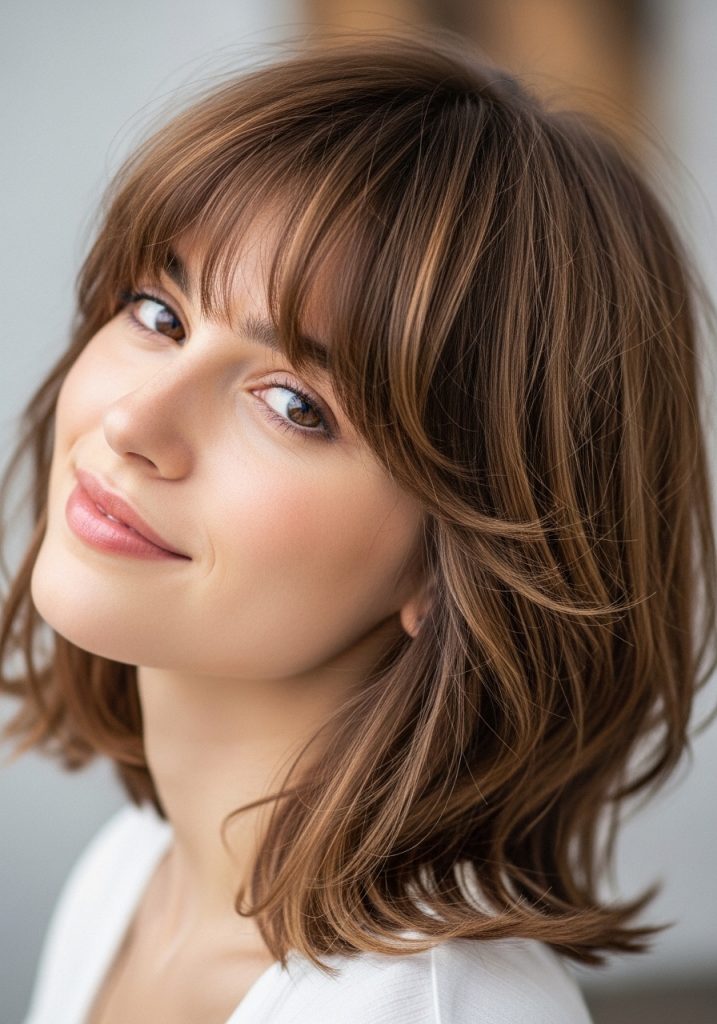
The shag is back, and it’s a blessing for fine hair. A shaggy bob uses lots of internal layers to create texture and “messiness.” When you pair this with curtain bangs—those long, swept-to-the-side fringes—you get a look that is full of life and volume. The layers act as little “props” for each other, keeping the hair from laying flat.
Curtain bangs are particularly great because they are so low maintenance. Unlike straight-across bangs that need a trim every two weeks, curtain bangs grow out into face-framing layers seamlessly. You can tuck them behind your ears when you’re working or let them flow for a romantic, 70s-inspired look.
Actually, the “messier” this hair is, the better it looks. You don’t need to aim for perfection. A little bit of texture spray and a scrunch with your fingers is all it takes. It’s the perfect style for someone who wants to embrace their hair’s natural quirks.
9. Collarbone Blunt Cut
Similar to the blunt bob, but with a bit more length, the collarbone blunt cut is a sophisticated choice. By stopping right at the collarbone, the hair rests on your shoulders, which can actually help it look fuller. The blunt ends provide that necessary density, making your hair look thick and healthy from root to tip.
This length is often called the “model’s cut” because it’s so effortlessly cool. It’s long enough to feel like you have “long hair,” but short enough that it doesn’t lose its volume. It’s a great canvas for highlights or balayage, which can add even more visual depth to fine strands.
The thing is, this cut is nearly impossible to mess up. Whether you air-dry it or do a quick rough dry, it looks intentional. If you’re feeling fancy, you can add a few waves with a wand, but it looks just as good pin-straight. It’s a reliable, high-reward style.
10. Layered Bixie
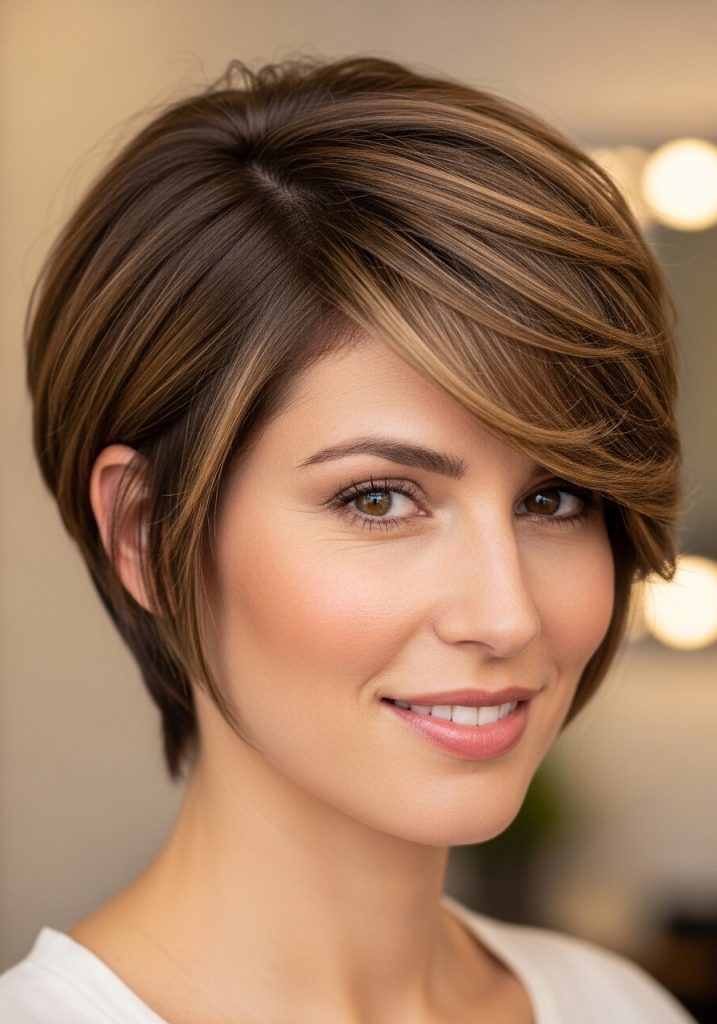
The “Bixie” is the love child of a bob and a pixie. It’s shorter than a bob but has more length and shagginess than a traditional pixie. For fine hair, this is a dream because it combines the volume of a short cut with the face-framing benefits of a bob. It’s full of layers that create a rounded, voluminous shape.
Because it’s so layered, the Bixie is incredibly forgiving. If your hair is fine and tends to get “flat spots,” the Bixie hides them perfectly. It’s a very “cool girl” haircut that looks best when it’s a little bit tousled. You can use a bit of volumizing foam on damp hair and let it do its thing.
Actually, the Bixie is a great “transition” cut if you’re growing out a pixie or thinking about going shorter from a bob. It’s low maintenance because it doesn’t require a precise silhouette to look good. The more texture, the merrier!
11. Invisible Layered Cut
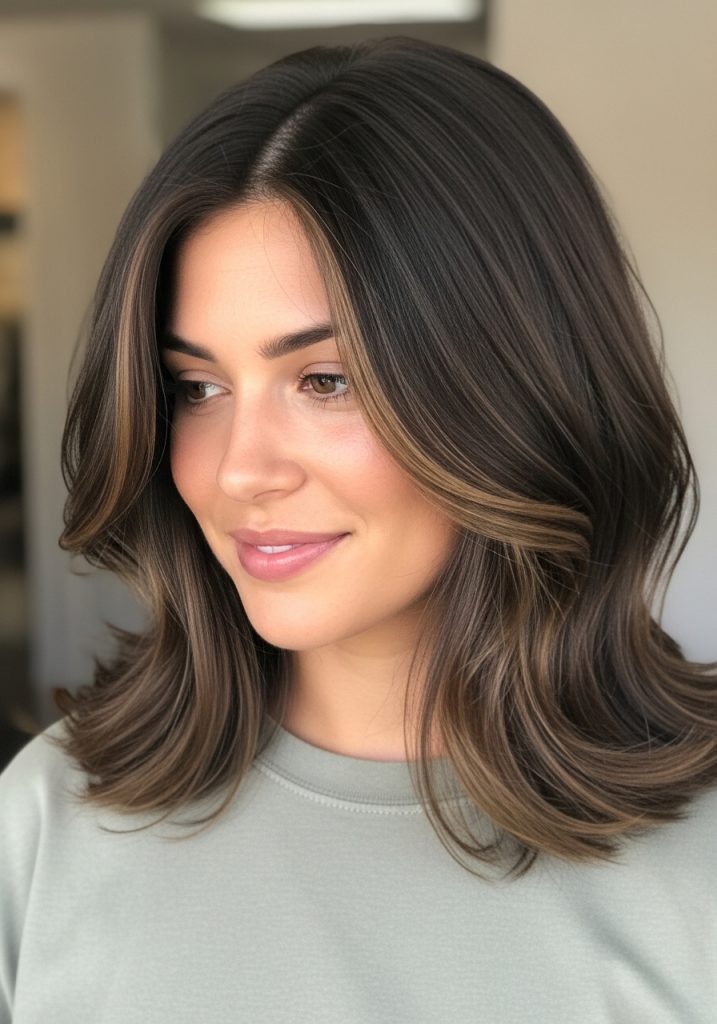
If you love your long hair and the idea of “layers” scares you because you don’t want to lose thickness, invisible layers are the answer. Your stylist will cut layers underneath the top section of your hair. These shorter internal pieces act as a support system, pushing up the top layer to create volume without making the ends look thin.
It’s a bit of hair magic, really. From the outside, your hair looks like one long, thick length. But inside, there’s a secret structure keeping everything from falling flat. This is the ultimate low-maintenance way to get volume in long, fine hair because there are no visible layers that need styling or frequent trimming.
To be honest, most people won’t even know you’ve had a “layered” cut. They’ll just wonder why your hair suddenly looks so bouncy. It’s a great technique for anyone who wants to maintain a classic look but needs a little help in the volume department.
12. Asymmetrical Bob
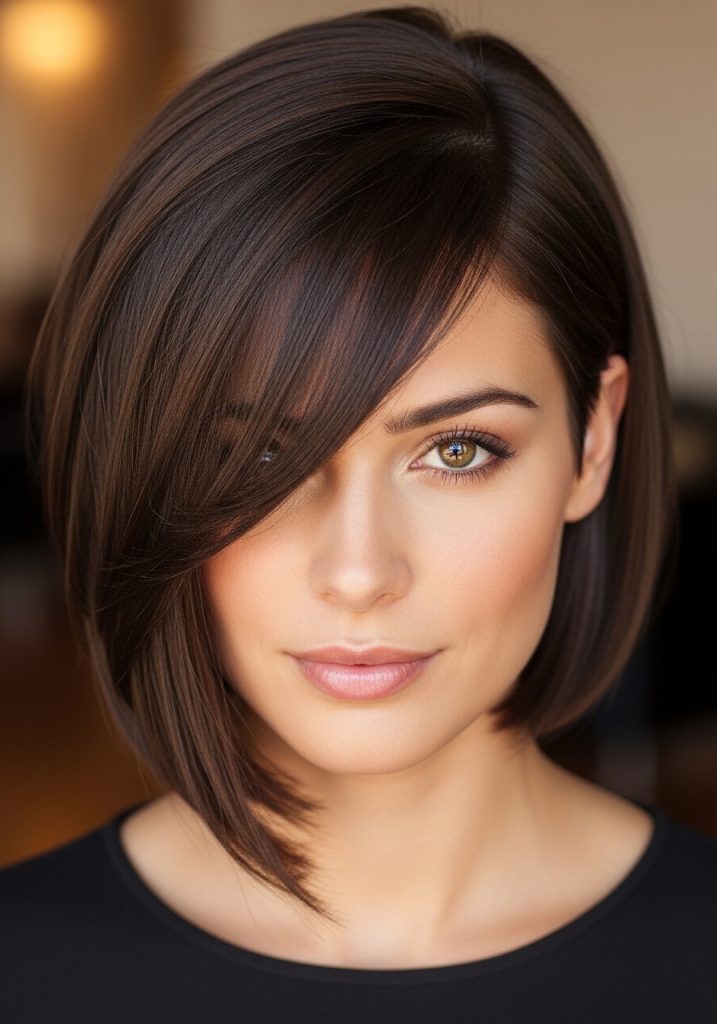
An asymmetrical bob—where one side is slightly longer than the other—is a brilliant way to add interest to fine hair without needing complex styling. The asymmetry creates a dynamic line that draws the eye, making the hair look more voluminous and “styled” than a standard cut. It’s edgy, modern, and surprisingly practical.
The longer side can be used to create a deep side part, which is a classic trick for instant volume. By flipping a large section of hair over to one side, you create a “wave” at the root that lasts all day. It’s a high-fashion look that requires nothing more than a brush and maybe a tiny bit of smoothing serum.
Actually, the asymmetrical bob is very forgiving during the grow-out phase. Because it’s already “uneven,” you can go longer between salon visits without it looking messy. It just evolves into a different, equally cool shape.
13. Choppy Mid-Length Shag
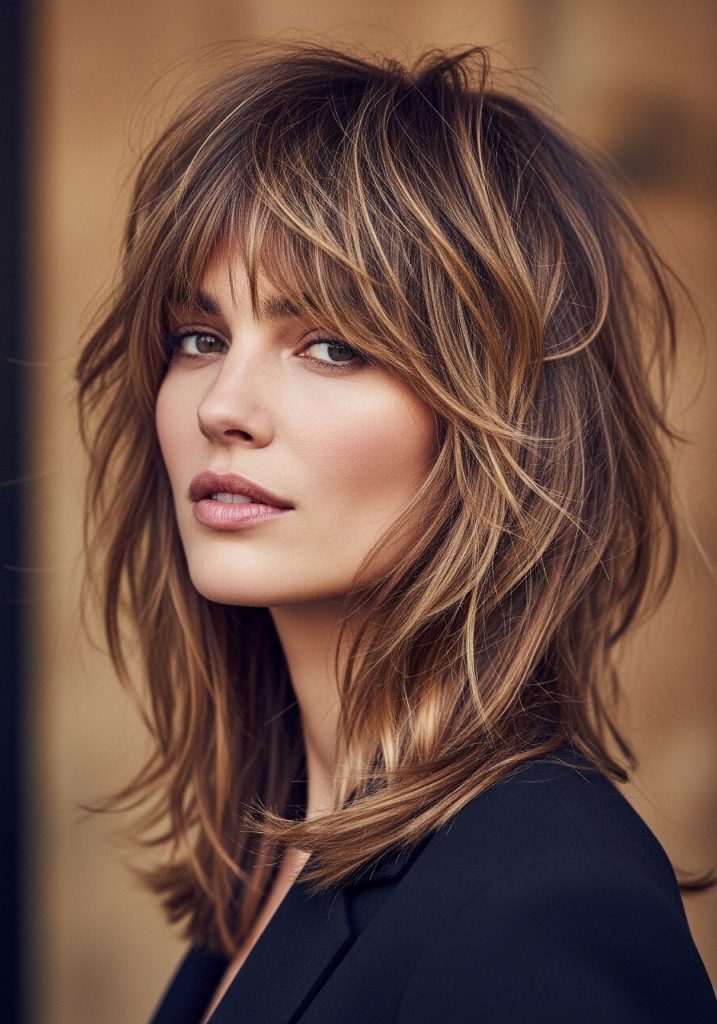
This is a more modern, less “rockstar” version of the traditional shag. It hits around the shoulders and features choppy, disconnected layers throughout. For fine hair, these “choppy” bits are essential because they prevent the hair from clumping together and looking like a single, thin sheet.
The choppy shag encourages movement. When you walk, your hair moves with you, which always makes it look thicker and more alive. It’s a great style for anyone with a bit of natural texture or wave. Just a bit of salt spray and a quick scrunch, and you’re ready for the day.
The thing is, this cut thrives on “imperfection.” You don’t need to worry about your hair being perfectly straight or perfectly curled. It’s meant to look a bit wild and free. It’s a fun, youthful style that takes the stress out of hair care.
14. Blunt Cut with Micro-Bangs
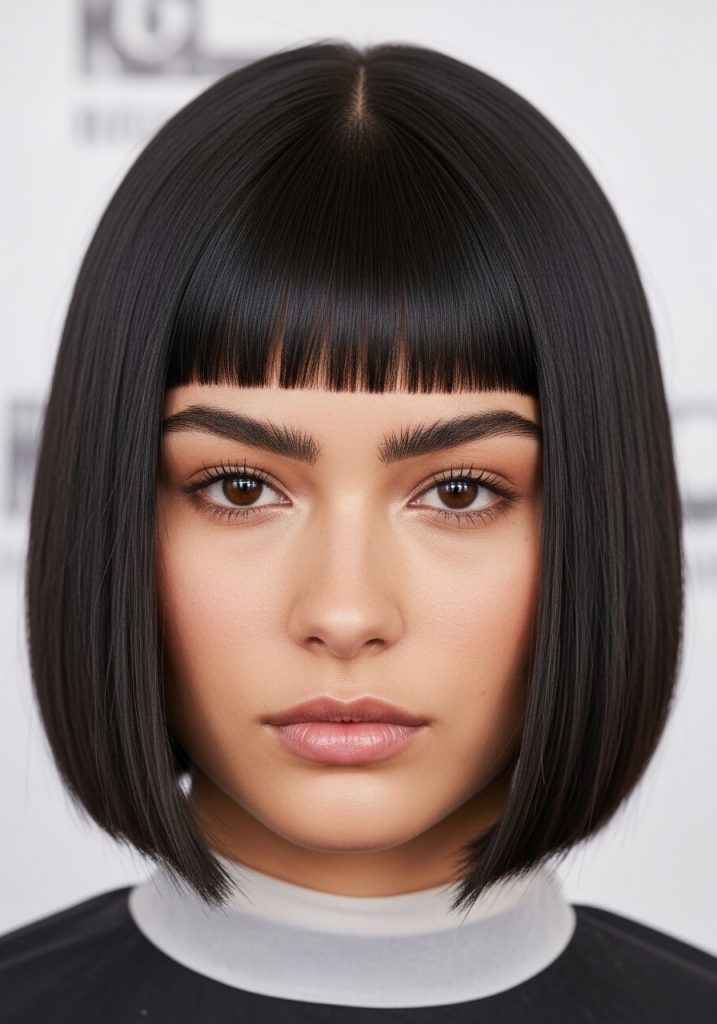
For the truly bold, a blunt bob or shoulder-length cut paired with micro-bangs (very short bangs) is a massive style statement. Micro-bangs take up very little hair, leaving the rest of your density for the length. They draw all the attention to your face and give you an “editorial” look with zero effort.
Micro-bangs are surprisingly low maintenance if you don’t mind a quick 30-second trim every few weeks (which many people learn to do themselves). The rest of the hair can just be left blunt and natural. It’s a look that says “I’m stylish” without you having to spend an hour with a blow dryer.
Actually, this combo works best on straight, fine hair. It plays up the sleekness of your hair type and turns “thinness” into a deliberate, high-fashion choice. It’s chic, daring, and very easy to manage day-to-day.
15. Long Butterfly Cut
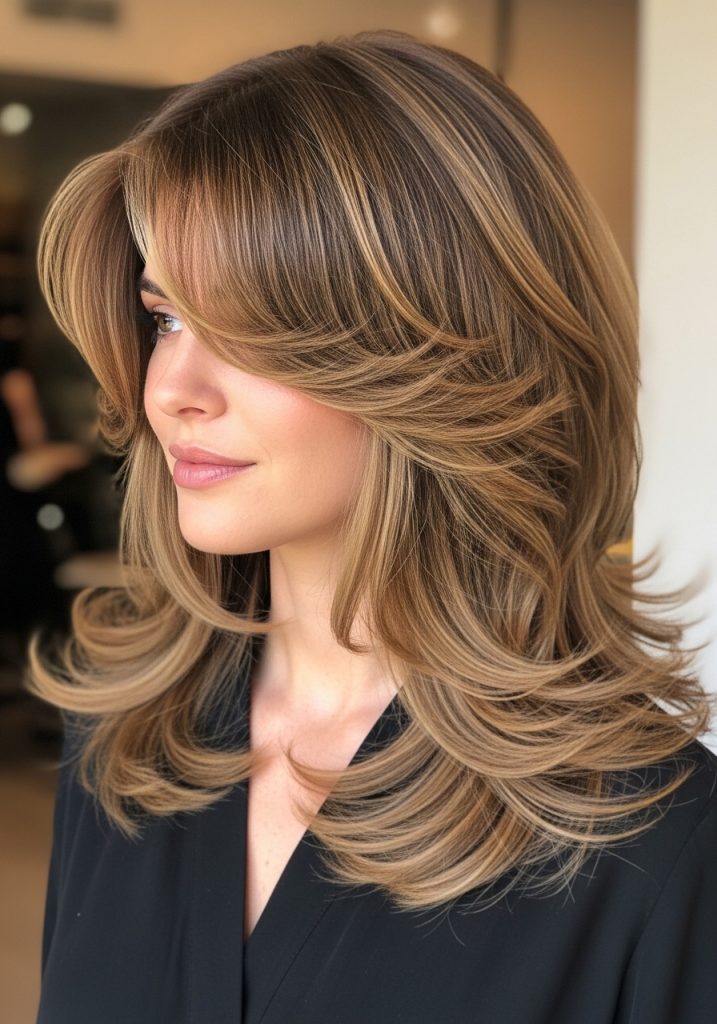
The butterfly cut is a viral sensation for a reason. It uses very short layers around the face that look like a bob when the hair is pulled back, combined with long layers throughout the rest of the hair. For fine-haired people who want the “best of both worlds,” this is it. You get the volume and frame of a short cut with the glamour of long hair.
The layers are cut in a way that they “wing” out (hence the name), which creates a ton of movement and airiness. It’s perfect for fine hair because it removes just enough weight to let the hair bounce, but keeps enough length to feel luxurious.
To be honest, this cut does look best with a bit of a blowout, but the way the layers are structured means you can get away with a “rough” dry and still look great. The layers give the hair a natural “flick” that looks intentional and stylish.
16. Tapered Pixie with Long Top
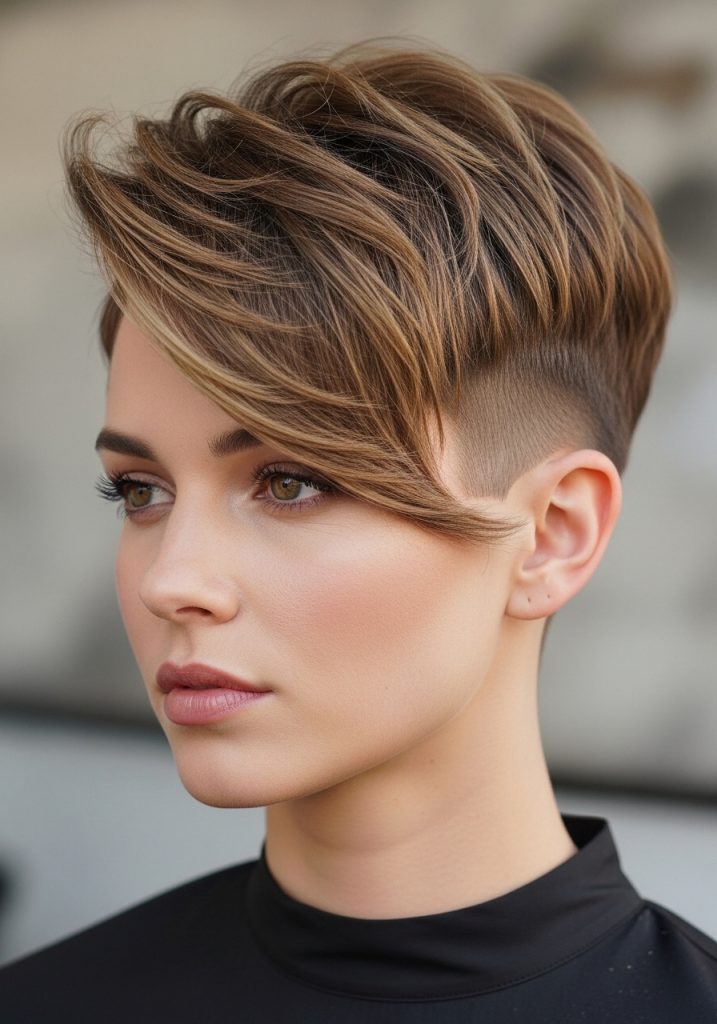
This version of the pixie keeps the back and sides very short and tapered, while leaving the top section much longer. This allows you to play with the length on top—you can sweep it to the side, style it forward, or even give it a little “quiff” for extra height. It’s a very versatile short cut.
The tapered sides keep the overall silhouette neat and tidy, which is the key to it being low maintenance. You don’t have to worry about the hair around your ears or neck looking “shaggy” as it grows. All the focus remains on the long, voluminous section on top.
Actually, this is a great cut for showing off color. If you have highlights or a bold shade, the long top section provides a great canvas to show them off. It’s a sophisticated, modern cut that works for all ages.
17. Air-Cut Curls
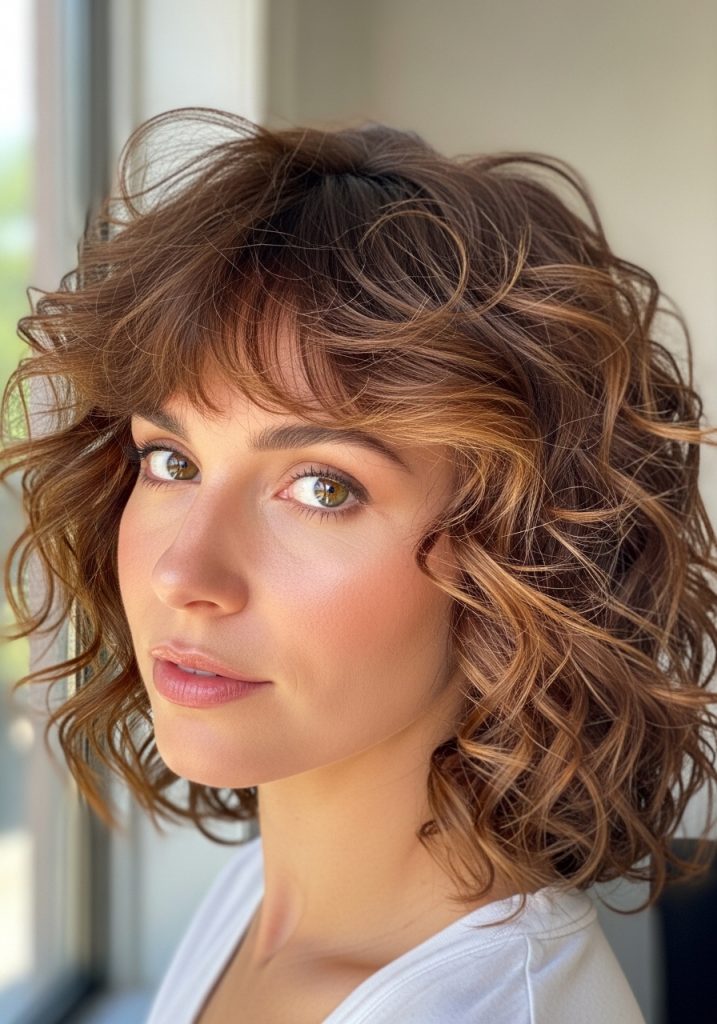
If your fine hair is also curly, you need a cut that respects the “spring” of your curls. An air-cut (or Deva-cut style) involves cutting the hair while it’s dry and in its natural state. This ensures that the layers are perfectly placed to support each curl, preventing the “triangle hair” shape that fine, curly hair often falls into.
By cutting curls individually, your stylist can create a rounded, voluminous shape that looks full and healthy. It’s the ultimate low-maintenance choice for curly girls because it’s designed to be worn air-dried. You just apply your favorite curl cream, scrunch, and let the air do the work.
The thing is, when curly hair is cut correctly, it needs much less product to look good. The shape of the cut provides the volume, so you don’t have to “glue” your curls into place with heavy gels. It’s a light, bouncy, and beautiful look.
18. Deep Side-Part Lob
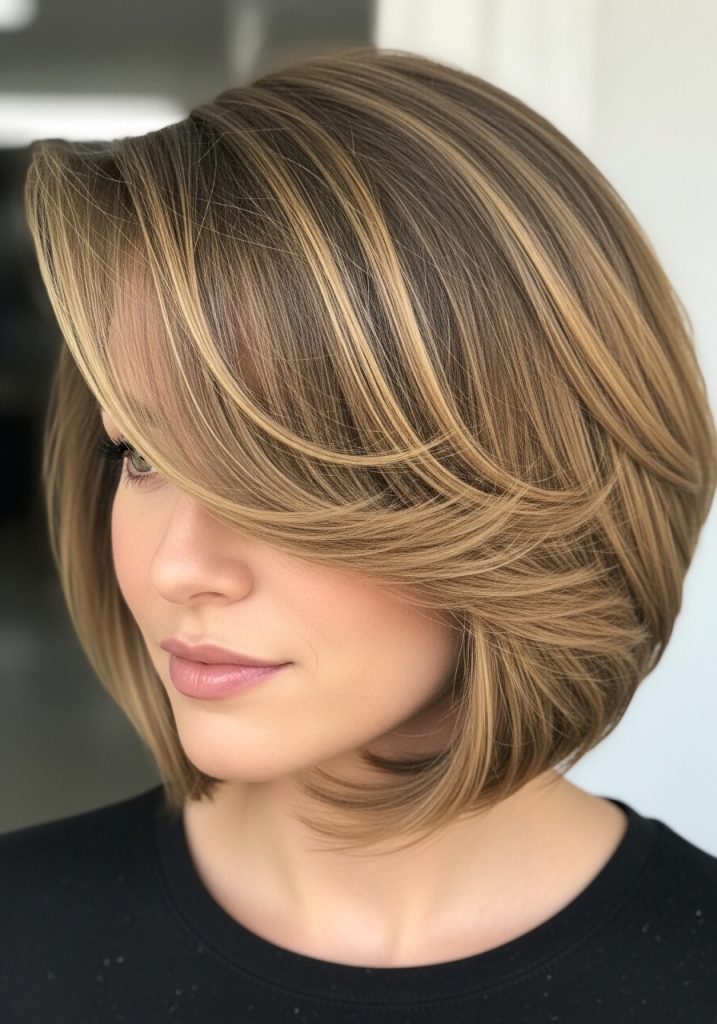
Sometimes, the “cut” is all about the “part.” A lob cut specifically to be worn with a deep side part can transform fine hair. Your stylist will balance the layers so that when you flip your hair over, it doesn’t look lopsided but instead looks incredibly thick and voluminous.
The deep side part creates a natural “lift” at the front of the hair, which is where most people want to see volume. It’s a classic, glamorous look that works for every occasion. Because the base is a lob, it’s easy to wash, easy to dry, and easy to grow out.
Actually, this is a great trick for those days when your hair feels particularly flat. Just flip your part to the other side! The hair isn’t used to laying that way, so the roots will naturally stand up. It’s an instant, no-cost makeover.
19. Soft Undercut
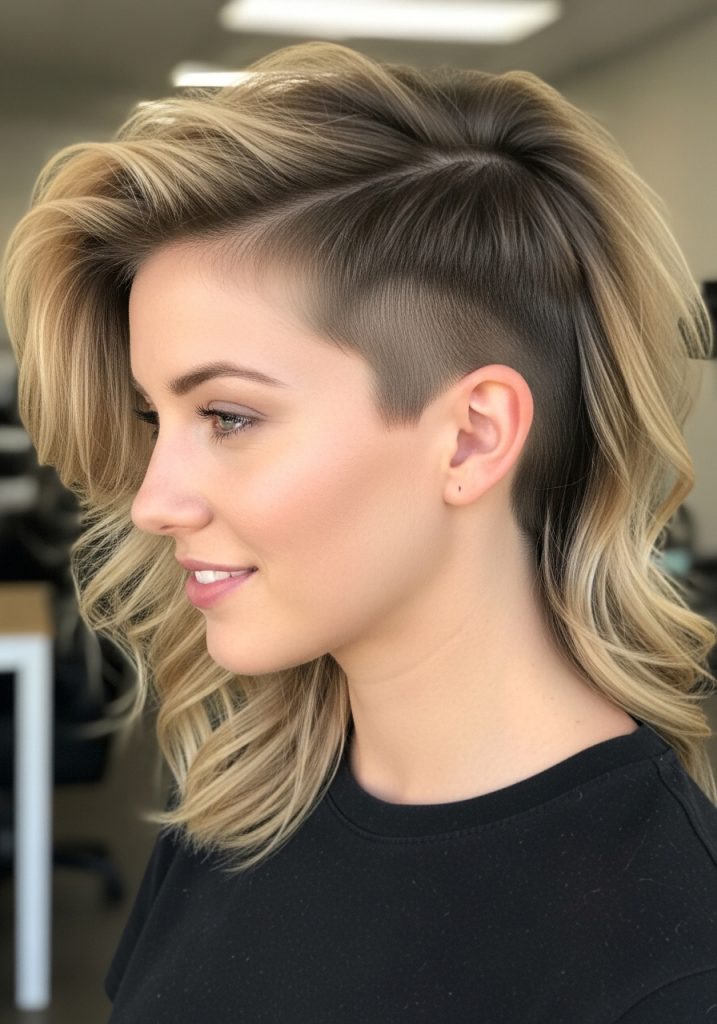
An undercut doesn’t have to be a “punk” look. A soft undercut involves shaving or cutting a small section of hair very short at the nape of the neck or behind the ears. For fine, thick-density hair, this removes “bulk” that can weigh the rest of the hair down. For very fine hair, it can actually help the top layers lay flatter and smoother.
It’s a secret style! You only see it when you pull your hair up. It makes ponytails look neater and prevents that “fuzzy” hair at the back of the neck from getting tangled. It’s low maintenance because that short section stays out of the way, and you only need to trim it every few months.
To be honest, it’s also a great way to stay cool in the summer. If you have a lot of fine hair, it can feel surprisingly heavy. An undercut lightens the load and adds a little bit of “hidden” edge to your look.
20. 70s Shag with Face-Framing Wings
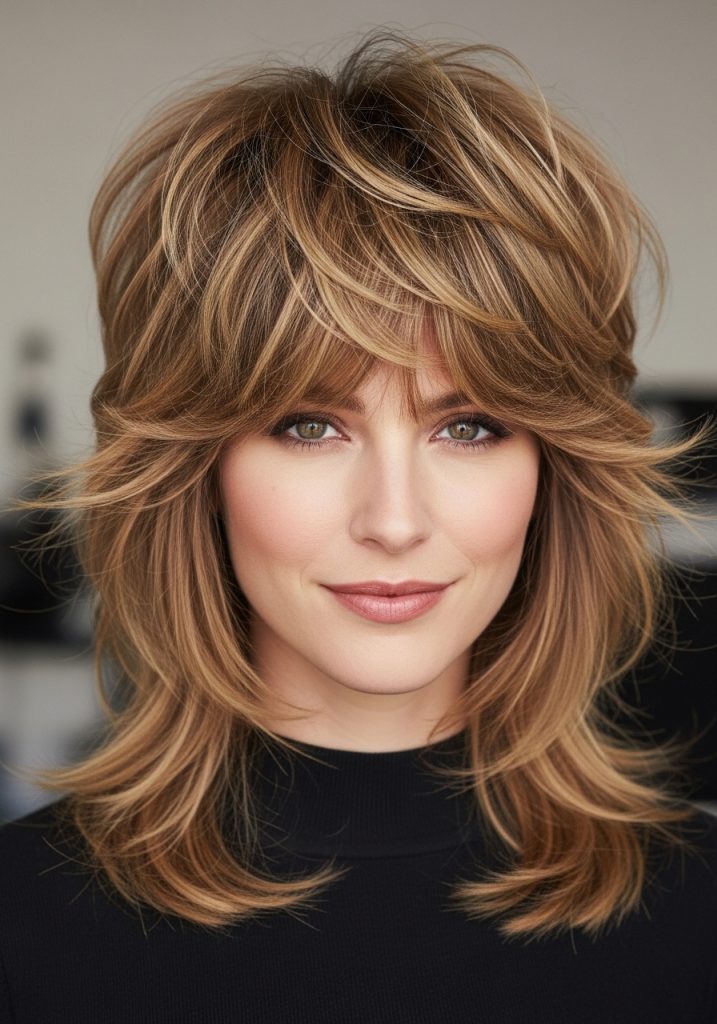
This is for the lovers of vintage style. It features heavy layering around the face that “flicks” back, reminiscent of Farrah Fawcett but in a more modern, manageable way. These “wings” create a lot of horizontal volume, which is great for making fine hair look wider and fuller.
The back is kept relatively simple, with most of the “action” happening around the face. It’s a very flattering cut that highlights your eyes and cheekbones. It works beautifully with natural waves or can be quickly styled with a round brush in just a few minutes.
Actually, this style is very “in” right now. It feels fresh and intentional. It’s low maintenance because the layers are meant to be soft and blended, so they grow out into a beautiful, long-layered look without any awkward stages.
Essential Care & Styling for Fine Hair
This section provides the expert-level knowledge needed to maintain these low-maintenance cuts, focusing on product selection and daily habits that preserve volume and hair health.
Choosing the right cut is only half the battle; how you treat your fine hair on a daily basis determines how long that “salon-fresh” look lasts. Fine hair is prone to product buildup, which is the number one enemy of volume. If you use heavy conditioners or oil-based serums, your low-maintenance cut will quickly become a high-maintenance struggle as you try to wash out the grease.
- Less is More: When it comes to conditioner, only apply it from the mid-shaft to the ends. Never let conditioner touch your scalp, as the natural oils from your skin are usually enough to keep the roots hydrated.
- Clarify Regularly: Use a clarifying shampoo once a week to remove any buildup from styling products or hard water. This “resets” the hair, allowing it to be as light and bouncy as possible.
- Dry Shampoo is Your Best Friend: Don’t wait until your hair is oily to use dry shampoo. Apply a little bit to your roots right after drying your hair. It acts as a preventative measure, absorbing oil as it’s produced and providing a bit of “grip” for extra volume.
- Avoid Over-Brushing: Fine hair is fragile. Use a wide-tooth comb or a specialized detangling brush (like a Tangle Teezer) to minimize breakage. When hair breaks, it looks thinner, which defeats the purpose of your great new cut.
Actionable Advice: The “Product Cocktailing” Method
To get the most out of your low-maintenance cut, you need to learn how to “cocktail” your products. Instead of using one heavy product, mix two lightweight ones. For example, take a pea-sized amount of a light hair cream (like Davines OI All In One Milk) and mix it with a tiny bit of volumizing mousse. Apply this mixture to damp hair before air-drying or blow-drying.
The cream provides the hydration and shine fine hair needs to look healthy, while the mousse provides the structural support to keep the cut from falling flat. This combination ensures your hair stays soft and touchable—never “crunchy”—but still has enough “guts” to hold its shape all day. It’s a simple trick that professionals use to get that perfect balance of health and volume.
Wrapping Up
At the end of the day, having fine hair doesn’t mean you’re destined for a life of flatness and frustration. It’s all about working with what you’ve got. By choosing one of these 20 low-maintenance haircuts, you’re giving your hair the structural support it needs to look its best with minimal effort. Whether you go for a bold, blunt bob or a soft, invisible-layered long cut, the goal is to spend less time in front of the mirror and more time enjoying your life.
Remember, the best haircut is the one that makes you feel confident the moment you wake up. Don’t be afraid to talk to your stylist about your lifestyle and how much time you actually want to spend on your hair. A good pro will be able to tweak any of these styles to fit your specific face shape and hair texture. So, take the plunge, try something new, and embrace the effortless beauty of your fine hair. You might just find that “low maintenance” is the best style you’ve ever had.